

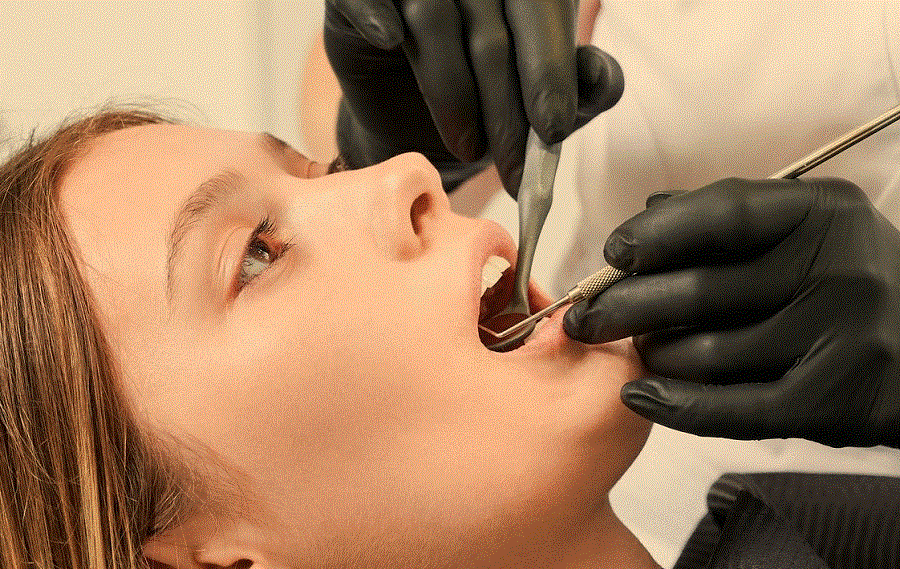
Short answer: Alveoloplasty is the surgical correction of bony projections, sharp edges and irregularities after tooth extraction or in toothless jaws. It is the most common of the preprosthetic surgical procedures used to prepare the mouth for a denture. The aim is to help the denture sit evenly and to reduce problems such as sore spots and ulcers. The procedure is done under local anesthesia, and the denture is usually made after the tissues have healed.
Being able to wear a complete or partial removable denture comfortably depends not only on the quality of the denture but also on the structure of the tissues it will rest on. If there are sharp projections or irregularities in the jawbone, or excess soft tissue that prevents the denture from seating, even a carefully designed denture can cause sore spots and ulcers. Alveoloplasty is the most commonly performed preprosthetic surgical procedure and is done to correct these kinds of bone irregularities. In this article we cover the scope of preprosthetic surgery, when alveoloplasty is needed, the procedure and healing process, and the denture stage that follows.
What is preprosthetic surgery?
Preprosthetic surgery is the general name for surgical procedures that prepare the bone and soft tissues in the mouth so that a removable or implant-supported prosthesis can sit evenly and comfortably before it is made. After tooth loss, the jawbone reshapes over time; this process does not always proceed evenly, and sharp bone points, hollows or projections can be left behind.
The main procedures that can be performed as part of preprosthetic surgery are:
- Alveoloplasty: Correcting the bony ridge that holds the teeth (the alveolar ridge)
- Torus removal: Removing benign bony bulges (tori) on the palate or on the tongue side of the lower jaw when they get in the way of the denture
- Tuberosity reduction: Reducing excess bone or soft tissue at the very back of the upper jaw
- Frenectomy: Adjusting a lip or tongue attachment (frenum) that presses on the edge of the denture or dislodges it
- Removal of denture-related excess tissue: Correcting sagging or folded soft tissue caused by long-term use of an ill-fitting denture
- Ridge widening and deepening procedures: Advanced surgical approaches to improve denture retention in severely resorbed bone
Which of these procedures is needed is determined by an intraoral examination and an X-ray assessment. Not every patient needs preprosthetic surgery; in many people the tissues are already suitable for a denture.
Preprosthetic surgery matters not only for patients who will wear removable dentures but also for those planning implant-supported prostheses. For implants to be placed in the correct position and angle, and for the prosthesis on top of them to be cleanable and aesthetic, the bone and gum structure must be suitable. That is why the surgical and prosthetic stages are often planned together from the very beginning.
What is alveoloplasty?
Alveoloplasty is a procedure in which the sharp edges and irregularities of the part of the jawbone that holds the teeth, the alveolar bone, are filed down or a small amount of bone is removed to give it a smooth, rounded shape. The aim is to make the surface the denture will rest on smooth and even.
Alveoloplasty can be done at two different times. If several teeth are being extracted in the same session, the bone can be smoothed at the same time as the extractions; this approach removes the need for a second surgical procedure. In a jaw where the teeth were extracted earlier and the area has healed, it can be planned as a separate procedure before the denture is made. The basic principle of the procedure is to preserve as much of the bone needed for the denture as possible and to correct only the problem areas, because removing more bone than necessary can reduce denture retention later on.
When is alveoloplasty needed?
Alveoloplasty is needed when bone irregularities prevent the denture from seating, or cause or are expected to cause pain and ulcers under the denture. The main situations are:
- Sharp bone points left at the extraction site after tooth extraction
- Hollows and projections in the bone that make it hard to put in and take out the denture
- Uneven bone levels caused by teeth being lost at different times
- Recurring sore spots and ulcers that always form at the same point under the denture
- Excess bone that leaves too little space between the upper and lower jaws for a denture
- Situations where the bone surface needs to be reshaped in an area where an implant will be placed
In people who wear dentures and constantly get sore spots, the problem does not always come from the bone; a denture losing its fit over time, wear or incorrect use can cause similar complaints. For this reason, the fit of the denture and the oral tissues are assessed together before deciding on surgery.
How is the procedure done, and how long does healing take?
Alveoloplasty is usually performed under local anesthesia and, depending on its extent, is completed in a short session. The dentist carefully opens the gum over the area to be corrected to reach the bone surface. Sharp edges and projections are filed down and rounded with special instruments, the area is rinsed and the gum is closed with stitches. For anxious patients or more extensive procedures, sedation may also be considered based on the dentist's assessment.
Healing after the procedure usually progresses as follows:
- Mild pain, swelling and bruising may occur in the first days; cold compresses and the medications your dentist recommends make this period more comfortable.
- During this period, choose soft, lukewarm foods and stay away from cigarettes.
- If the stitches are the non-dissolving type, they are usually removed after one week to ten days.
- Gum healing is usually complete within a few weeks, while remodeling of the bone continues for several months.
Oral hygiene is important during healing. Your dentist will explain how to clean the treated area in the first days and, if needed, which mouth rinses you can use. If you notice signs such as increasing pain, fever or discharge, contact your dentist without waiting for your follow-up appointment.
When is the denture made after alveoloplasty?
In most cases, impressions for the permanent denture are taken after the gums have healed and the tissues have settled to some extent. This period varies with the extent of the procedure and how quickly the person heals. Dentures made before the tissues have finished settling can lose their fit quickly.
In some cases, especially when alveoloplasty is done in the same session as the extractions, a pre-made "immediate denture" can be placed in the mouth right after the extraction so that the patient is not left without teeth. This denture serves both an aesthetic and a protective function during healing. However, as the tissues heal, gaps form under the denture; for this reason, an immediate denture is usually relined periodically and, once healing is complete, replaced with a permanent denture or remade.
Regular checkups remain important after the denture is made. Because the jawbone continues to resorb over the years, the fit of the denture can change over time. Relining or replacing loose dentures helps prevent problems such as sore spots and excess tissue from coming back. In suitable patients, implant-supported prostheses can help slow bone loss and improve denture retention. You can find answers to other questions about dentures and surgical procedures on our frequently asked questions page; for terminology, take a look at our dental glossary.
Book an assessment before getting a denture
If you are thinking about getting a new denture, or your current denture keeps causing sore spots and ulcers at the same point, a detailed examination of your oral tissues is an important starting point for wearing a denture comfortably for a long time. At our polyclinic in Park Oran Ofis in Oran, Çankaya, we assess the bone and soft tissues before a denture is made, and explain whether preprosthetic surgery is needed and what the stages of treatment are.
Frequently asked questions
Is alveoloplasty a painful procedure?
Because the procedure is done under local anesthesia, you do not feel pain during treatment. Mild pain, swelling and tenderness may occur in the following days. These symptoms usually ease within a few days and are kept under control with the care your dentist recommends.
Is alveoloplasty needed before every denture?
No. In many patients the jawbone and soft tissues are already suitable for a denture. Alveoloplasty is recommended only when sharp bone edges, projections or irregularities prevent the denture from seating. The decision is made after an examination and X-ray.
Can alveoloplasty be done on the same day as a tooth extraction?
Yes, if several teeth are being extracted in the same session, the bone can often be smoothed during the same procedure. This approach means a second surgical procedure is not needed. In suitable cases, an immediate denture can also be fitted right after the extraction.


