
Ankara · Çankaya · Orthodontics with Invisalign
A straighter smile, discreetly, with Invisalign clear aligners
Your teeth are moved into alignment step by step with thin, clear aligners made just for you. There are no wires or brackets, and you take the aligners out to eat and brush. Before treatment begins, we review your planned smile together in a 3D treatment plan.
- Orthodontics with Invisalign
- Invisalign clear aligners
- 3D treatment simulation
- Digital intraoral scanning with iTero
- Comprehensive polyclinic services
- Easy to reach · Park Oran

- ComfortableSmooth plastic, no wires or brackets
- Nearly invisibleThin, clear aligners are hard to notice
- Easy careRemoved for meals and brushing
Preliminary assessment
Are clear aligners right for me?
Answer three short questions and we'll show you information relevant to your situation and the next step. The final decision is always made at the examination.
Preliminary information for you
This short quiz is not a diagnosis; suitability can only be determined through an examination and digital records.
A day with Invisalign
How do aligners fit into your life?
Your daily routine stays almost the same throughout treatment. There is just one rule: wear your aligners 20–22 hours a day.
07:30 Morning

Breakfast and brushing
Take out your aligners, have breakfast, brush your teeth and put the aligners back in. About 20–30 minutes in total.
13:00 Midday

Lunch break
During meals, keep your aligners in their case, not wrapped in a napkin. Rinse your mouth after eating and put them back in.
16:00 Work and social life

Meetings, phone calls, photos
Thin, clear aligners usually go unnoticed when you talk and smile, and you get used to speaking with them within a few days.
22:30 Night

Switching to a new aligner
Putting in a new aligner just before bed is the most comfortable option: you sleep through the pressure of the first few hours.

Thin, clear aligners made for you
Invisalign aligners are made from a digital scan of your teeth; you wear them except when eating and brushing, and keep them in their case. At our clinic, clear aligner treatment is planned with the Invisalign system.
Treatment by the numbers
- 20–22hoursDaily wear time
- 7–14daysWear period for each aligner
- 6–10weeksBetween check-up appointments
- 6–24monthsTreatment time, depending on the case
These are general ranges; your plan is set after your examination and digital scan.
The process
Three steps from consultation to your new smile
You know what will happen at each step in advance. No surprises, and no impression putty.
- 1

Examination and assessment
The orthodontist examines your teeth, gums and bite, and tells you clearly whether clear aligners are right for you.
- 2
Digital scan and 3D plan
An intraoral scanner captures a 3D record in a few minutes. Your tooth movements are planned stage by stage on the computer and shown to you.
- 3
Aligners, check-ups, retention
You receive your aligners, switch to a new one every 7–14 days and come in for a check-up every 6–10 weeks. At the end, a retainer maintains the result.
3D animation
A jaw with an aligner, in 3D
A clear aligner wraps each tooth and applies gentle, controlled force for the planned movement.
- Thin, clear surface shaped to each tooth
- Small tooth movements, stage by stage
- Removed for meals and brushing
Illustrative 3D drawing, not patient data. Your plan is made from your digital scan.
Which problems?
Which problems can clear aligners correct?
They are used for most cases of crowding, gaps and bite problems. For each problem, we answer 'can it be corrected, how, and when are aligners not enough' on a separate page.
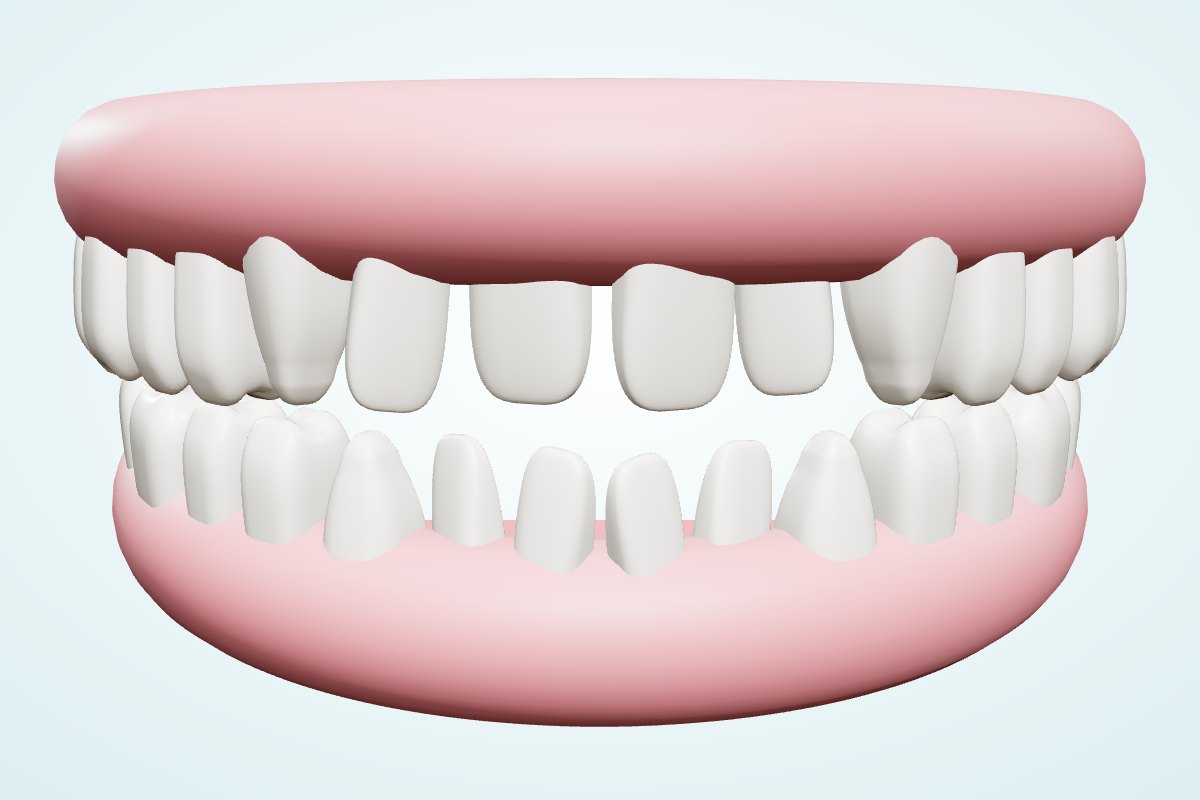
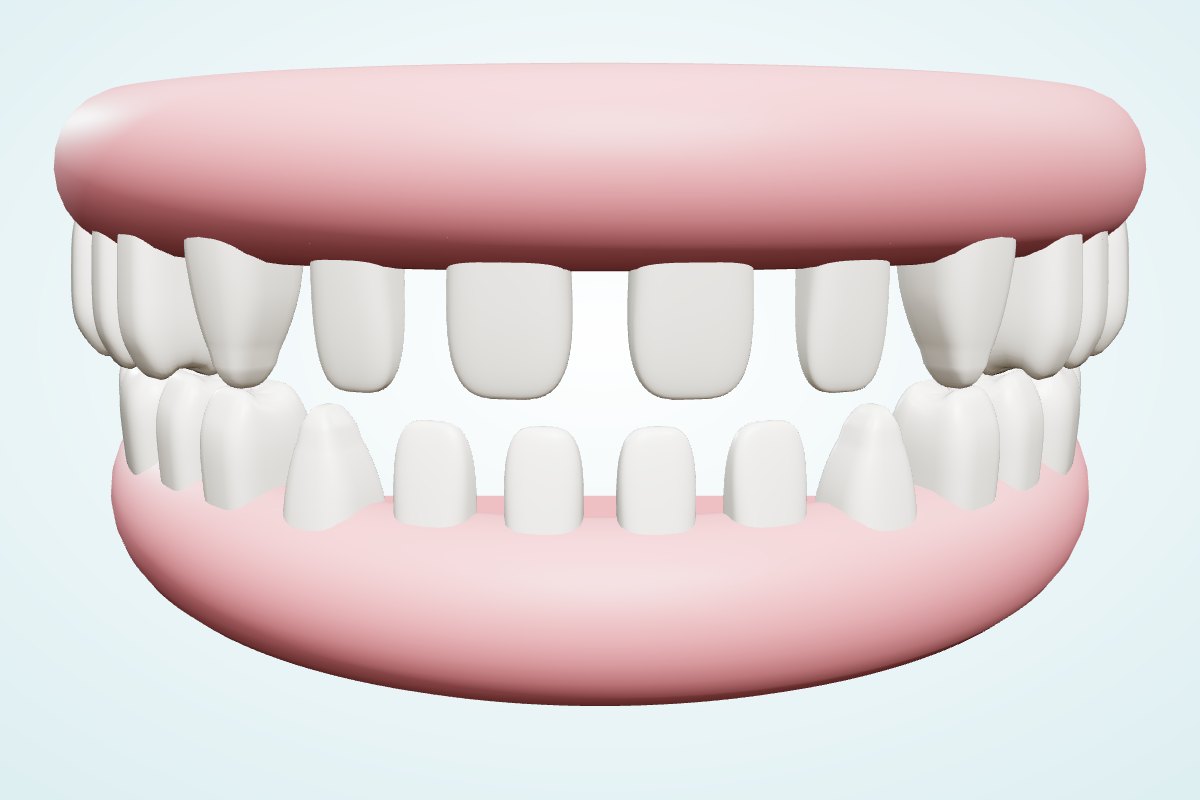
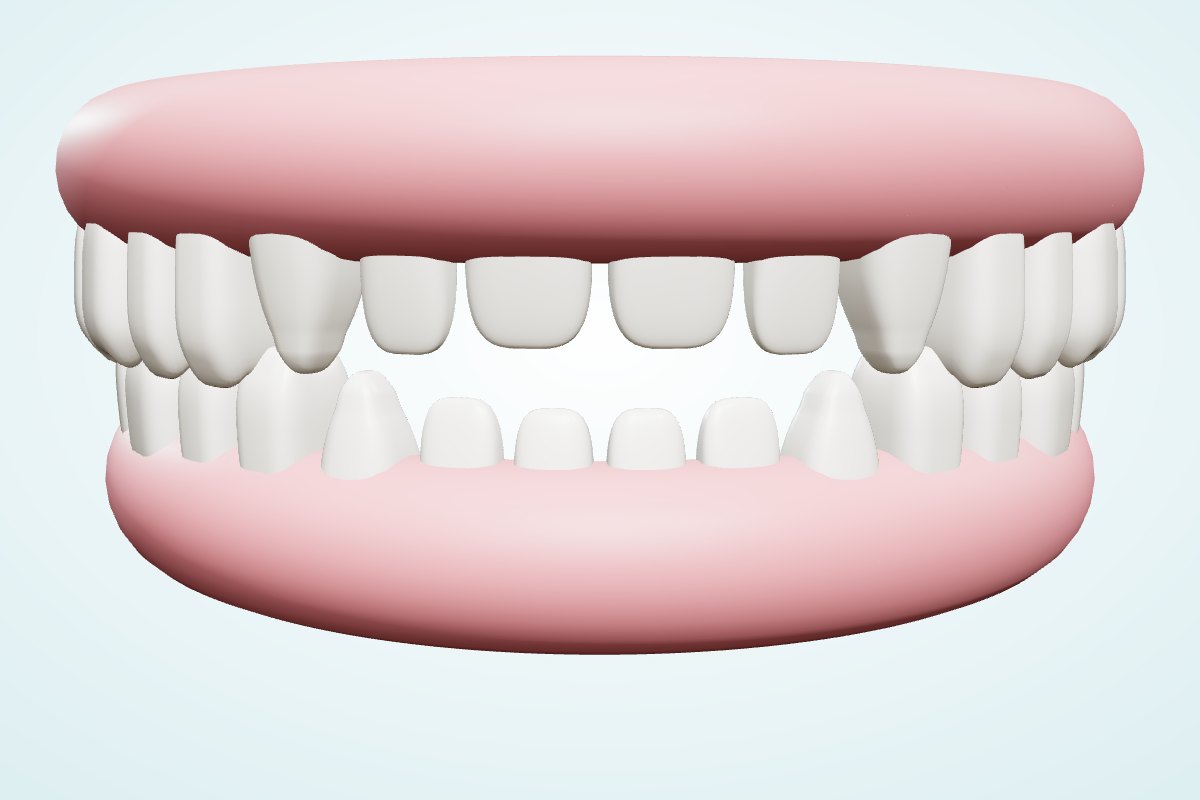
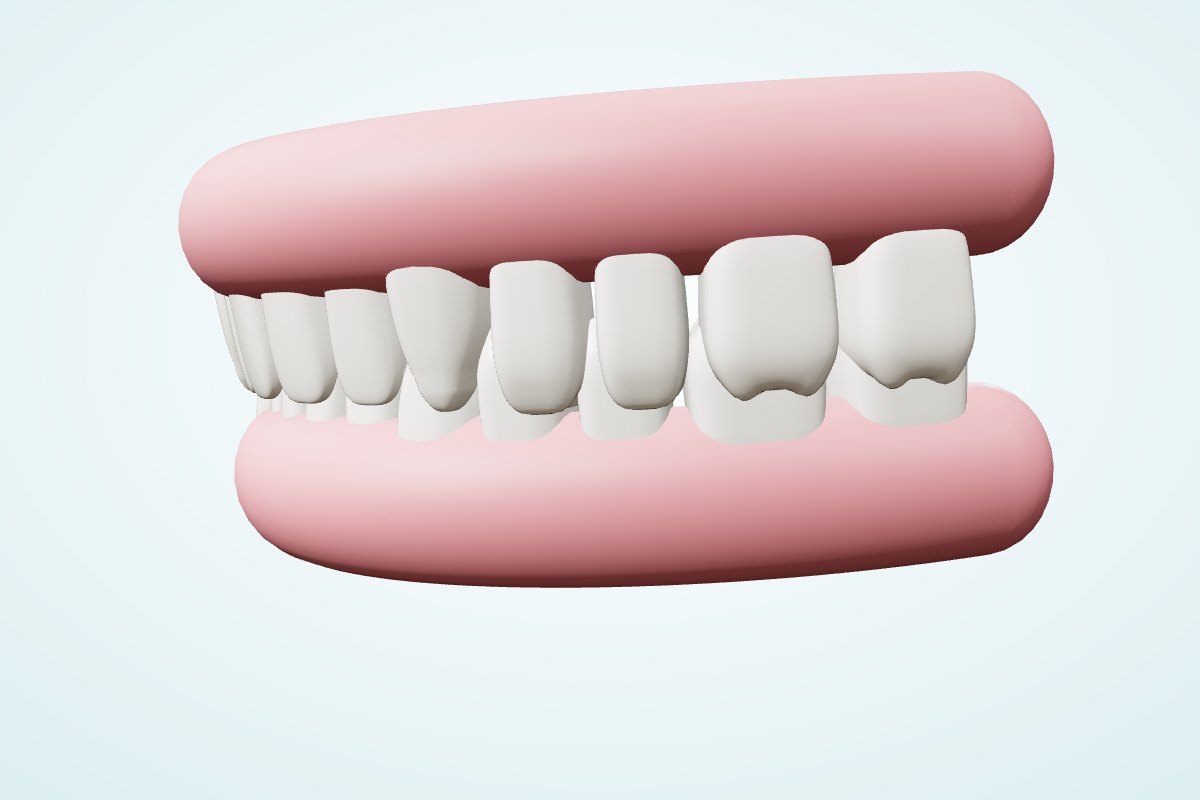
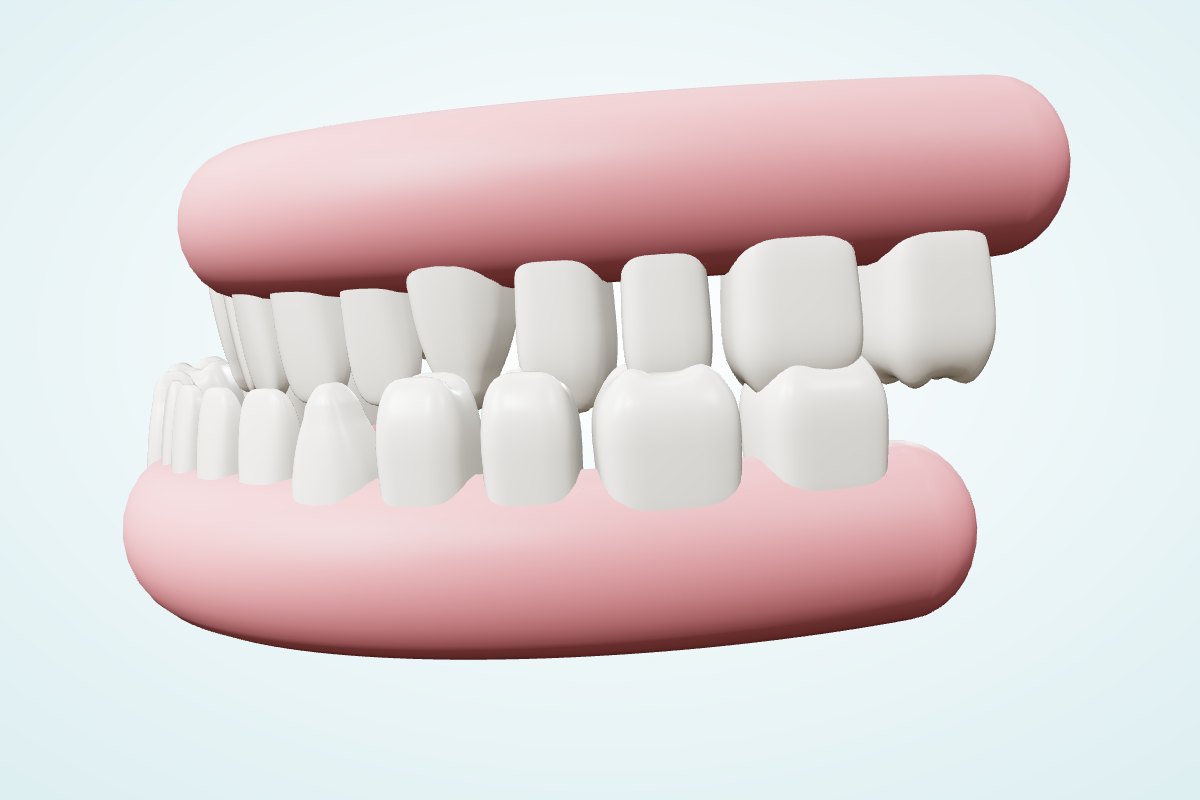
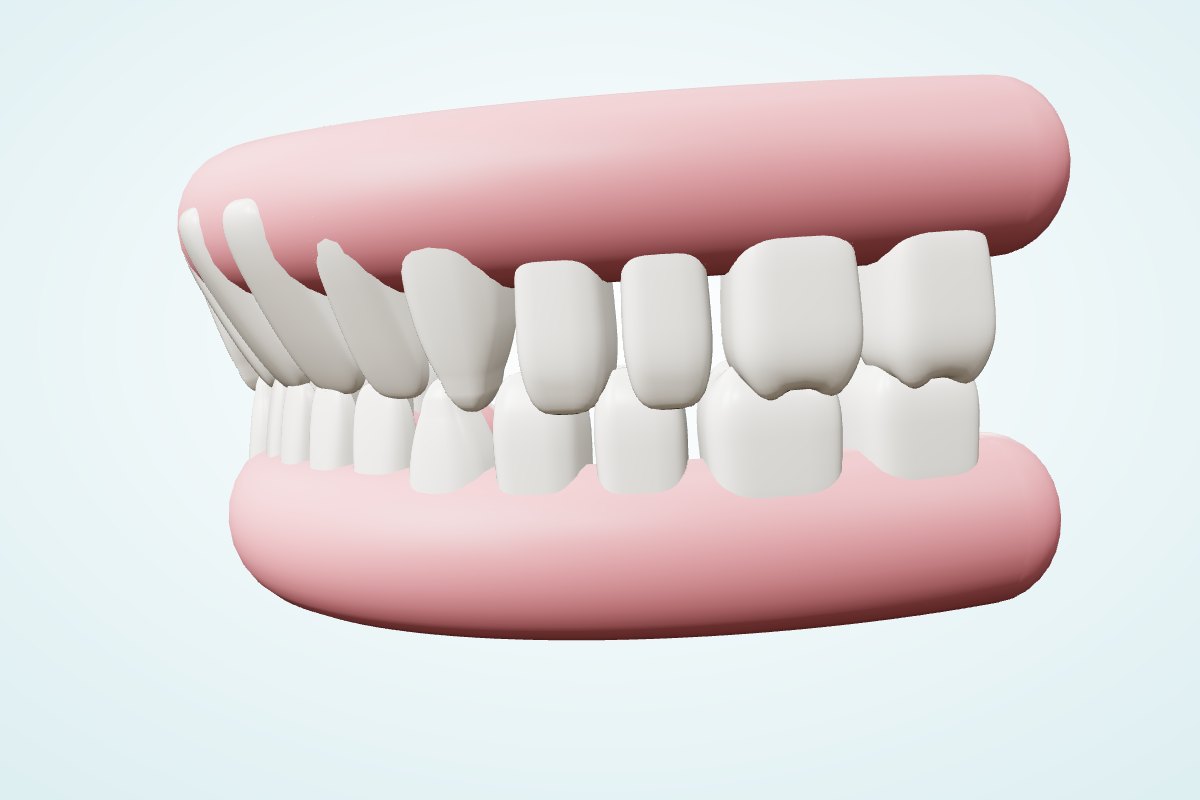
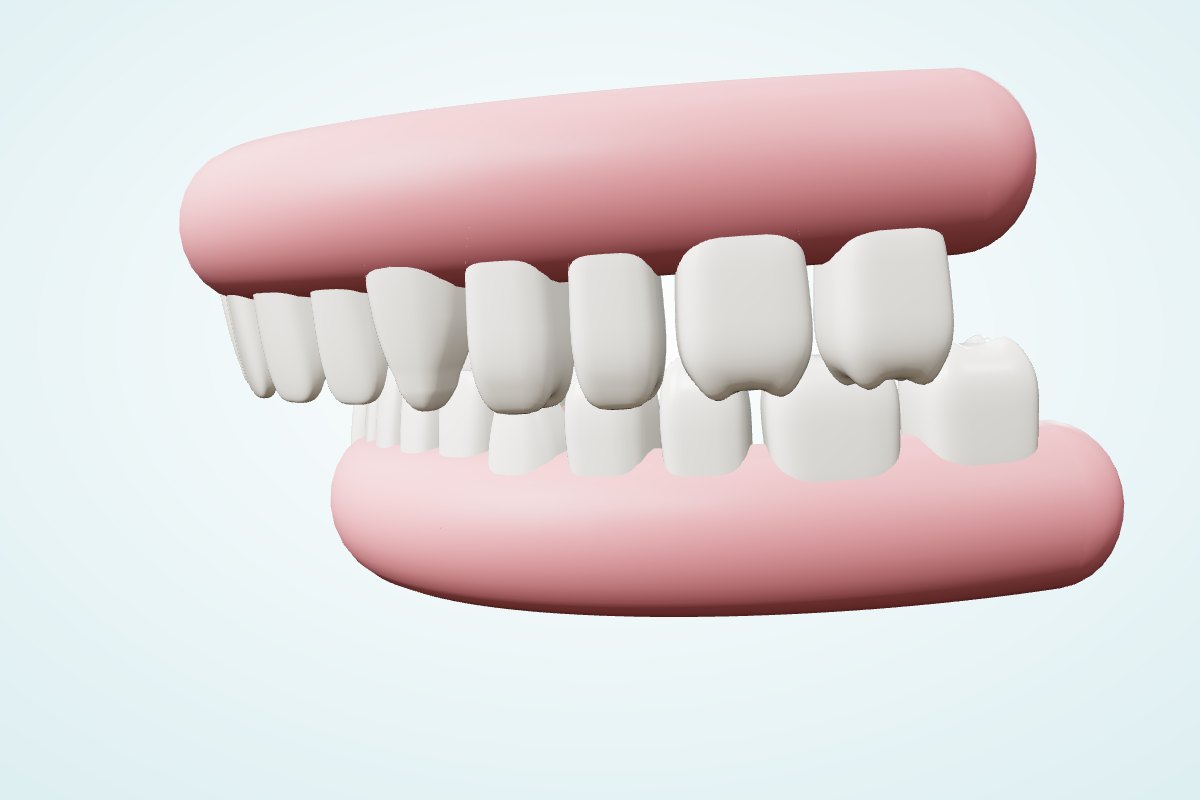
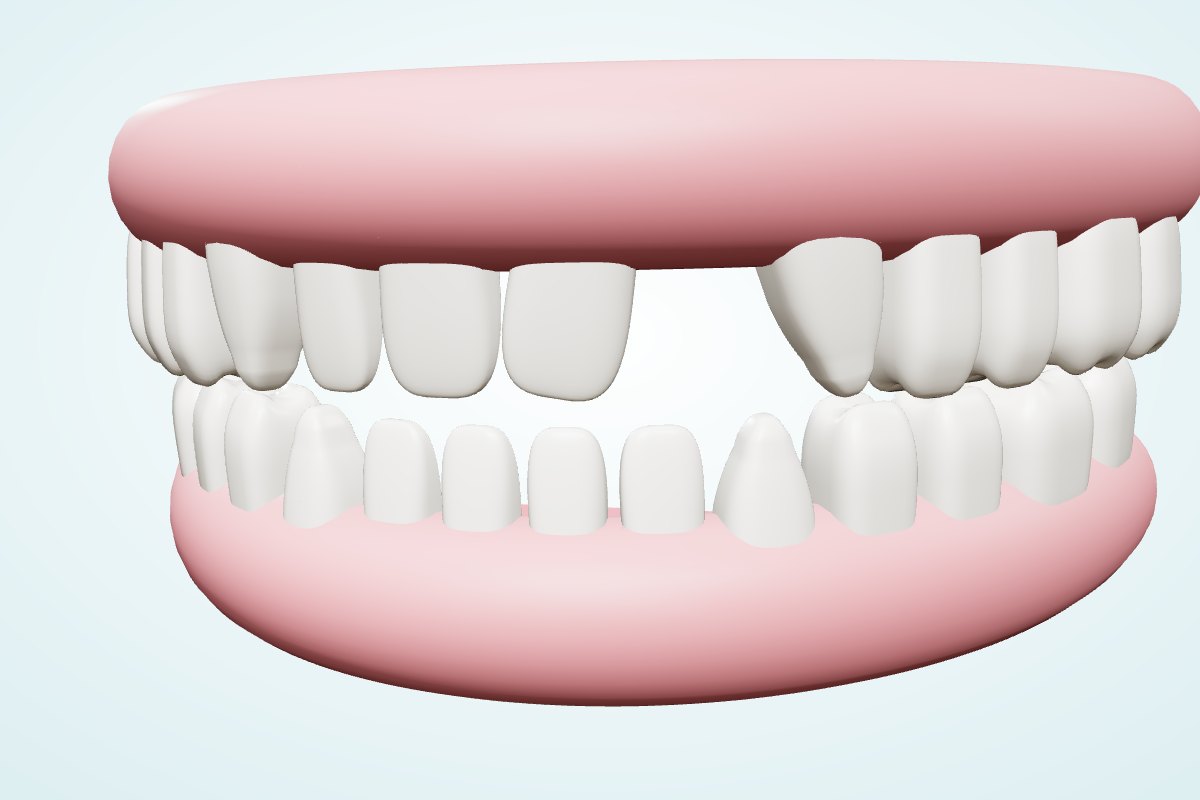
Try aligner-by-aligner alignment yourself
Move the slider: with each new aligner, crowded teeth move one small step closer into line. In real treatment, the number of aligners and the amount of movement are planned individually.
Illustration only. The amount of movement and the number of aligners differ for each person and are set during the examination and digital planning.
Comparison
Invisalign or braces?
Both methods move teeth safely. The difference is how they feel in your daily life.
| Invisalign clear aligners | Fixed braces | |
|---|---|---|
| Appearance | Clear, hard to notice | Brackets and wires are visible |
| Eating | Aligners come out, no restrictions | Care needed with hard and sticky foods |
| Brushing and flossing | As usual | Special brushes and tools needed |
| Comfort | Smooth plastic, no wires | Wires and brackets may irritate |
| Check-ups | Every 6–10 weeks | Usually every 4–6 weeks |
| Seeing the plan in advance | With a 3D digital plan | Usually not possible |
| Your responsibility | Wearing them 20–22 hours a day | Nothing to put in or take out |
Cost
What determines the cost of Invisalign?
Because every treatment is planned individually, the cost is individual too. It is provided to you in writing after your examination and digital planning.
- 01Case complexity and amount of movement
- 02Number of aligners and package type
- 03Need for attachments, IPR and elastics
- 04Additional (refinement) aligner sets
- 05Retainers
From childhood to later adulthood
Suitability depends less on age than on the teeth, gums and jaw development; the plan is built differently for each age group.
 Ages 7–11Children · Invisalign FirstEarly treatment during the mixed dentition stage, when baby and permanent teeth are present together; jaw development and space for erupting teeth are taken into accountLearn more →
 Ages 12–17TeensPlanned with erupting teeth in mind; goes unnoticed at school and in social lifeLearn more →
 Ages 18–55AdultsTreatment without disrupting work or social life; removed for meals and brushingLearn more →
 Ages 56–70Older adultsGum health, bone support and existing fillings, crowns and bridges are taken into accountLearn more →
Guides to help you during treatment
Wear, cleaning, problems and treatment time: everything you want to know.
- Invisalign TreatmentInvisalign is a clear aligner system developed by Align Technology and widely used around the world since the late 1990s. On this page we explain the SmartTrack material, ClinCheck planning, iTero scanning, the product lines and the Invisalign process at our clinic.
- Treatment ProcessClear aligner treatment begins with an examination, continues with digital impressions and planning, progresses with regular aligner wear and checkups, and is completed with the retention phase. On this page we explain each step in order.
- How Long Does It Take?Clear aligner treatment takes between 6 and 24 months, depending on how complex the case is. On this page we explain the factors that determine treatment time, the typical ranges for mild, moderate and complex cases, and the mistakes that make treatment take longer.
- How to Wear ThemClear aligners are worn 20–22 hours a day, taken out only for eating and cleaning your teeth, and changed at the interval set by your orthodontist. On this page you will find practical information on putting them in, taking them out, using chewies, storage and your daily routine.
- How to CleanClear aligners are cleaned every day with cold water and a soft brush and soaked in a cleaning tablet solution a few times a week. Hot water, colored mouthwash and toothpaste damage the aligner. On this page we explain the right routine and what to avoid.
- Problems and SolutionsAn aligner not fitting, cutting the tongue or gums, breaking, getting lost, turning yellow, smelling, changing your speech or causing pain are the most common situations in clear aligner treatment. For each one, we explain what to do and when to call the clinic.
Orthodontics · Children and teens
Orthodontic appliances and jaw expansion
Used at the right time during growth, orthodontic appliances can help guide jaw development. We cover jaw expansion, functional appliances, face masks, space maintainers and retention appliances in a single guide.
Read the appliance guideFrequently asked questions
Orthodontics with Invisalign: frequently asked questions
We have grouped the questions patients ask most about Invisalign clear aligner treatment by topic. A personal answer requires an examination.
What are clear aligners?
Clear aligners are thin, transparent plastic orthodontic appliances custom-made to move the teeth gradually. A series of aligners is made from an impression taken by digital scanning; each aligner moves the teeth a little further than the previous position. Aligners are removable and are worn 20–22 hours a day, except while eating and brushing. Treatment is planned and monitored by an orthodontist.
Are Invisalign and clear aligners the same thing?
Invisalign is the name of a system used in clear aligner treatment, while clear aligners is the general name of the method. Because Invisalign has been in use for a long time, people often use the name as a synonym for the method. At our clinic, clear aligner treatment is provided with the Invisalign system.
What does Invisalign Provider mean?
An Invisalign Provider is a clinic or dentist that is authorized to use the Invisalign system and has been trained in it. Treatment is planned and monitored by the treating orthodontist. Our clinic is an Invisalign Provider; for details, see our what are clear aligners page.
Do clear aligners really straighten teeth?
Yes. Clear aligners are a treatment method whose effectiveness has been shown in the orthodontic literature; they are widely used for mild to moderate crowding, gaps (diastema) and some bite problems. The result depends on the complexity of the case, the accuracy of the plan and wearing the aligners 20–22 hours a day. Which problems can be solved with aligners is determined during the exam.
Are clear aligners noticeable?
Because clear aligners are thin and transparent, they are usually hard to notice at conversational distance. Attachments bonded to the teeth (small tooth-colored composite bumps) may be visible up close. If the aligners are not kept clean, they can turn cloudy and become more noticeable. Visibility depends on the aligner material, the number of attachments and cleaning habits.
Are clear aligners as effective as braces?
For mild to moderate crowding, spacing and mild bite problems, clear aligners give results similar to braces when properly planned. For major rotations, vertical movements and complex skeletal cases, braces are considered more predictable. Which method suits your case is determined by an orthodontic exam and digital planning.
What is the difference between clear aligners and braces?
Both methods move teeth by applying gentle, continuous force. Braces are bonded to the teeth and adjusted by the orthodontist; clear aligners are removable, made from a digital plan and changed by the patient. Aligners have advantages in terms of appearance and hygiene, while braces may be preferred for some complex movements and for patients who have trouble with compliance. The decision is made at the exam.
What is ClinCheck?
ClinCheck is the digital treatment plan in Invisalign treatment that shows the planned movement of the teeth in 3D. The orthodontist reviews the plan, modifies it if needed and approves it; you can also see the steps of the movement. The plan may not match the actual result exactly; it can be updated at check-ups. For general information, see our Invisalign page.
What is an iTero scan, and does it replace dental impressions?
iTero is a system in which the teeth are captured digitally with an intraoral scanner, and in most cases it removes the need for conventional impression material. The scan is used to prepare the ClinCheck plan. Most patients find it more comfortable than having impressions taken; even so, suitability is assessed based on the structure of the mouth.
How does orthodontic treatment with Invisalign start?
The process starts with an orthodontic exam; the orthodontist examines the mouth and teeth and takes the necessary records and scan. A digital treatment plan is then prepared and approved, and the aligners are manufactured. For an overview of the process, see our clear aligner treatment page.
What is an orthodontic appliance?
An orthodontic appliance is a removable or fixed device worn inside the mouth that helps the jaws and teeth develop correctly. It is most often used in growing children. An orthodontist decides which device is suitable after an examination.
What is a palatal expander?
A palatal expander is an orthodontic device used when the upper jaw is too narrow, to widen the palatal bone sideways. It is usually anchored to the upper molars and is opened as planned using the screw in its center. Which device is suitable is determined by an orthodontic exam. For details, see our article on palatal expanders.
At what age is a palatal expander used?
In most cases, a palatal expander is used during childhood and early adolescence, while the palatal bone is still developing. During this period, the suture line in the middle of the palate is more flexible, so expansion is easier. The right timing is assessed at the orthodontic exam based on the child's bone development; our orthodontic appliances page provides general information.
Does a palatal expander hurt?
In the first days of activation, a feeling of pressure at the bridge of the nose, the cheekbones and the teeth is common and usually eases within a few days. For most patients, a simple pain reliever recommended by the orthodontist is enough. Severe pain that lasts, swelling or a loose appliance are not considered normal; in that case, contact the clinic.
How do you turn a palatal expander screw?
The screw is turned with the special key supplied with the appliance, in the direction shown by the orthodontist and at the prescribed frequency. Usually, the key is inserted into the hole at the front of the palate and pushed toward the back to make one turn. Doing the first turn together at the clinic makes it easier for parents to learn the correct direction and amount; the turning schedule varies from person to person.
Is it normal to have a gap between the front teeth with a palatal expander?
Yes, a gap forming between the upper front teeth during expansion is usually expected. This gap shows that the palatal suture is opening, and it is usually closed in later stages of orthodontic treatment. The size of the gap and its follow-up are assessed at orthodontic check-ups.
How long do you wear a palatal expander?
After the active expansion period, when the screw is turned, the palatal expander stays in the mouth for a while longer so the widened bone can settle. The total time varies by person and treatment plan; rather than a fixed period, it is determined through orthodontic check-ups. Since most palatal expanders are fixed, the child cannot remove them.
Is a retention period needed after palatal expansion?
Yes, a retention period is usually needed after expansion so the width gained can settle. During this period, the same appliance is left in the mouth passively for some time, and then the next stage of treatment begins according to the orthodontist's plan. Because the length of retention varies from person to person, it is determined at check-ups.
Is palatal expansion possible in adults?
Because the palatal bone has matured in adults, conventional expansion appliances are often not enough; for this reason, options are assessed individually. For goals such as creating space in the dental arch, other orthodontic methods may be considered. The appropriate method can only be determined after an exam and imaging; you can also take a look at our Invisalign for adults page.
What is a functional appliance (Twin Block)?
A functional appliance is a removable orthodontic device used to influence the position and growth direction of the lower jaw; the Twin Block is a common type. It consists of an upper and a lower part and guides the lower jaw into a more forward position when the child closes their mouth. Whether it is suitable depends on the stage of jaw development and the orthodontic assessment.
What is an orthodontic face mask, and who needs one?
A face mask is an orthodontic device worn outside the mouth, used in growing children whose upper jaw is set back, to guide the upper jaw forward. It is usually used together with an appliance inside the mouth. Who it is suitable for is determined through an exam and X-ray assessment; our article on face masks has more details.
What is a space maintainer, and what does it do?
A space maintainer is a small type of appliance used when a baby tooth is lost early, to keep the neighboring teeth from drifting into the gap. It helps keep the space open until the permanent tooth comes in. Which type of space maintainer is needed depends on where the tooth was lost and on the child's development; see our article on space maintainers.
What is a habit-breaking appliance, and does it work?
A habit-breaking appliance is a device worn inside the mouth to reduce the damage that habits such as thumb sucking or tongue thrusting can do to tooth and jaw development. It can help a child stop the habit, but its effect also depends on the child's motivation and the family's support. The decision to use one is made after an orthodontic exam.
How many hours a day should you wear a removable appliance?
In most cases, removable appliances are worn for the time recommended by the orthodontist, usually most of the day and during sleep. The exact number of hours depends on the type of appliance and the goal of treatment, so it is important to follow the wear time set for you. Regular wear directly affects how treatment progresses.
Is it hard to talk and eat with an orthodontic appliance?
In the first days, speech may sound a little different because the appliance feels like a foreign object in the mouth, and most people get used to it within a few days. For meals, removable appliances are usually taken out; with fixed appliances, it is recommended to avoid sticky and hard foods. Your orthodontist will give you personalized instructions for use.
Should you choose an orthodontic appliance or Invisalign First?
The choice between an appliance and Invisalign First is made at the orthodontic exam based on the child's age, jaw structure and the problem to be corrected; one cannot be said to always be more suitable than the other. For some goals, such as guiding jaw development, appliances come to the fore, while Invisalign First may be considered for some tooth alignment cases. For details, see our Invisalign First page.
What should you do if your orthodontic appliance is lost or broken?
If your appliance is lost or broken, the right step is to call the clinic rather than trying to fix it yourself. The orthodontist will decide whether the device needs to be replaced or repaired. Going without the appliance for a long time can affect treatment progress and how well the device fits; you can reach us through our contact page.
Who are clear aligners suitable for?
Clear aligners are widely used for conditions such as mild to moderate crowding, gaps (diastema), mild deep bite or open bite, and relapse after braces. Patients with healthy gums, treated cavities and the ability to wear the aligners 20–22 hours a day are suitable candidates. The decision on suitability is made after an orthodontic exam and digital records.
Who are clear aligners not suitable for?
In cases of severe skeletal jaw discrepancies, cases requiring extraction of impacted teeth, serious gum disease, and patients who cannot wear the aligners consistently, clear aligners alone may not be sufficient. Active cavities and untreated gum problems are addressed first. In these situations, braces or combined treatment may be recommended; the decision is made during the exam.
At what age can clear aligners be used?
There is no strict minimum age for clear aligners; some systems offer children's series used during the mixed dentition stage (ages 6–12, when baby teeth and permanent teeth are present together). More commonly, treatment starts once most of the permanent teeth have come in, around age 12–13. Suitability is assessed during the exam based on dental development and the child's ability to wear the aligners consistently.
Can you get clear aligners after 40?
Yes. Adults make up a large share of clear aligner users. The most common reasons are crowding that was never treated in youth, relapse, lower front tooth crowding that increases with age and positioning teeth before prosthetic work. Gum health and existing fillings and prostheses are taken into account in planning; skeletal problems may require collaboration with a surgeon.
Can clear aligners fix severely crooked teeth?
In severe crowding, aligners alone may not be enough; however, with space-creating methods (IPR, distalization and, if needed, extraction), many severe cases can also be planned with aligners. For difficult movements, short-term bracket support or combined treatment may be preferred. Which path is suitable is determined by digital planning and an exam.
Can people who had braces before get clear aligners?
Yes. When a retainer is not used after braces treatment, teeth can shift again (relapse); this is one of the most common cases treated with clear aligners. Because relapse is usually mild, treatment may be shorter. Wearing a retainer consistently after the new treatment is important.
Can you use clear aligners during pregnancy?
Pregnancy is generally not an obstacle to using clear aligners; the aligners contain no medication or radiation. However, gum sensitivity may increase during pregnancy, nausea can make wearing aligners harder, and stages requiring X-rays may be postponed. Telling your doctor that you are pregnant or planning a pregnancy allows the timing of treatment to be adjusted accordingly.
Do I need a dental cleaning and fillings before Invisalign?
In most cases, the teeth and gums are expected to be healthy before treatment begins. If there is tartar, tooth decay or gum disease, you may be asked to have these treated first. What preparation is needed is determined at the exam.
How many hours a day should clear aligners be worn?
Clear aligners should be worn 20–22 hours a day. They are taken out only for eating, drinking anything other than water, and brushing. When daily wear time drops, the teeth fall behind the plan, the aligners stop fitting properly and treatment takes longer. Paying particular attention to wear time on aligner change days helps the new aligner seat on the teeth.
Can you eat with clear aligners in?
No. Clear aligners are taken out when eating. Eating with aligners in can deform or crack them and trap food debris inside the aligner, increasing the risk of cavities. After eating, brush your teeth and put the aligners back in; if brushing is not possible, rinse your mouth thoroughly with water. You do not need to take the aligners out to drink water.
Can you perform wudu (ablution) with clear aligners?
Yes. Since clear aligners are a removable appliance, they can be taken out during wudu (ritual ablution) and put back in after rinsing the mouth. Taking the aligners out for a short time does not affect the daily wear time of 20–22 hours. For questions about religious rulings, it is appropriate to consult the relevant religious authority, and for questions about using the aligners, your doctor.
Do clear aligners affect your speech?
For the first few days, you may have a slight lisp or notice a change in 's' and 'sh' sounds; this usually goes away within a week as the tongue gets used to the aligner. Reading aloud speeds up the adjustment. If the speech problem persists, the edge of the aligner may be irritating the gums; in that case, the doctor can adjust the edge of the aligner.
How do you clean clear aligners?
Brush the aligners every morning and evening with a soft toothbrush and lukewarm water, and a small amount of clear liquid soap if needed. Hot water is not used because it deforms the aligners. Colored or abrasive toothpastes can scratch the aligners. Aligner cleaning tablets can be used a few times a week. When the aligners are out, they should be kept in their case, not left in the open.
How often do you change clear aligners?
The change interval is set according to the doctor's treatment plan and is between 7 and 14 days in most treatments. The interval may change during treatment depending on the type of tooth movement and the progress seen at check-ups. Write the interval you are given in your calendar and stick to it unless your doctor instructs otherwise.
Can you sleep with clear aligners in?
Yes, clear aligners should stay in while you sleep at night. Nighttime hours make up a large share of the daily wear time of 20–22 hours. In people who clench or grind their teeth during sleep, the aligners may wear down a little faster; this should be reported to the doctor. In the morning, take the aligners out and clean them, brush your teeth and put the aligners back in.
Can you drink tea or coffee while wearing clear aligners?
It is recommended to drink only water while wearing the aligners. Drinks such as tea, coffee, cola and fruit juice can stain the aligners, and sugary and acidic drinks can collect under the aligners and cause cavities and enamel damage. Hot drinks can deform the aligners. For these drinks, take the aligners out, then rinse your mouth and put the aligners back in.
How long does clear aligner treatment take?
Clear aligner treatment usually takes 6–24 months. Mild crowding or small gaps are corrected in a shorter time, while cases that require bite correction take longer. The duration is determined by the number of aligners, the aligner change interval, wearing the aligners 20–22 hours a day and the need for additional aligner sets. The estimated duration is given once the digital plan has been prepared.
Does clear aligner treatment hurt?
When you switch to a new aligner, you may feel pressure and mild sensitivity in your teeth for the first few days; this is a sign that the teeth are moving and usually eases within a few days. Compared with braces, aligners are less likely to cause sores inside the mouth. Severe or persistent pain is not normal; in that case, you should see your doctor.
How often are check-ups during clear aligner treatment?
Check-ups are usually every 6–10 weeks; at each visit, how well the teeth are following the plan is assessed and the next set of aligners is handed over. Some clinics can extend the time between visits with remote monitoring apps. If an aligner doesn't fit, breaks or is lost, you should call the clinic without waiting for your scheduled check-up.
When will I see the first changes with clear aligners?
For most people, the first noticeable difference in the front teeth appears around months 2–4; gaps closing is noticed earlier than crowding being corrected. In the first weeks, the teeth move in steps too small to see in the mirror. Saving your starting photos and comparing them from time to time is the most objective way to see the change.
Does getting aligner attachments hurt?
No. Attachments are bonded to the tooth surface with composite filling material; there is no drilling or cutting of the tooth, and no anesthesia is needed. During the procedure, you only feel the teeth being dried and the material being hardened with a light. In the first days, the attachments may feel strange to your tongue; this feeling goes away quickly.
How long does it take for aligners to arrive?
The time from approval of the digital plan to the aligners arriving at the clinic varies by brand and place of manufacture. For systems produced in Türkiye, you can expect a few days to a week; for those produced abroad, two to four weeks. Your orthodontist will let you know the estimated delivery time for your plan.
Will my teeth go back after treatment?
If a retainer is not worn, the teeth tend to shift back toward their original positions; this is called relapse, and it is especially noticeable in cases of gaps (diastema) and rotated teeth. The retainer is worn all day for the first months, then at night, and used regularly over the long term. With regular retention, the result achieved is maintained.
Do you have to wear a retainer for life?
The current orthodontic approach recognizes that teeth shift slightly throughout life and recommends long-term retention. This means wearing a removable retainer every night, or at least a few nights a week, for life, or keeping a fixed retainer in place. Full-time wear is needed only in the first months; after that, only during sleep.
At what age should children have their first orthodontic exam?
For children, a first orthodontic exam is generally recommended at around age 7. By this time, the first permanent molars and incisors have come in, and possible problems in jaw and tooth development can be noticed. An exam does not always mean treatment; for most children, only monitoring is planned.
When do children need early orthodontic treatment?
Early orthodontic treatment is considered when growth-related problems such as a narrow jaw, crossbite or a mismatch between the jaws are identified. Not all crowding requires early treatment; in some children, it is better to wait for the permanent teeth to come in. The orthodontist decides whether it is needed through an exam and X-ray assessment.
What problems is Invisalign First used for?
Invisalign First is a clear aligner system that may be considered for misaligned teeth and some jaw development problems in children in the mixed dentition stage. It may not be suitable for every child; suitability is determined at the exam based on the stage of development in the mouth. For general information, see our Invisalign First for children page.
How can teens stay consistent wearing their Invisalign aligners?
For teens, consistency comes from wearing the aligners for the recommended time and attending check-ups regularly. Because the aligners include indicators that track how long they have been worn, the orthodontist can monitor compliance. Reminders from the family and keeping the aligners in their carrying case reduce losses; there is more information on our Invisalign for teens page.
What happens if a baby tooth is lost early?
If a baby tooth is lost early, the neighboring teeth may drift into the gap, and there may not be enough room for the permanent teeth. This can lead to crowding later on. Whether a space maintainer is needed is determined by an orthodontic exam.
Can kids use clear aligners?
Yes, in suitable cases. Aligner series designed for the mixed dentition stage aim to guide jaw development and address space problems early. During this stage, the aligners are planned to accommodate the loss of baby teeth and the eruption of permanent teeth. With family support, the child can wear the aligners 20–22 hours a day; the decision is made during the exam.
What determines the cost of clear aligners?
The cost of clear aligners is determined by the complexity of the case, the planned number of aligners and treatment duration, the chosen aligner system, the need for attachments and IPR, the need for additional aligner sets, and retainers. The doctor's expertise and the clinic's digital infrastructure are also reflected in the fee. The fee is provided in writing once the exam and digital planning are complete.
What is included in the cost of clear aligners?
The treatment fee usually includes the exam, digital scan, digital plan, the full aligner series, attachment placement, IPR, check-ups and removal of the attachments. Additional aligner sets, retainers and replacement of lost aligners may be included or charged separately depending on the clinic. It is recommended to ask in writing at the plan consultation what these items cover.
Where can I get clear aligner treatment in Ankara?
In Ankara, clear aligner treatment is provided at clinics with an orthodontist. Funda Sarıkaya Oral and Dental Health Polyclinic, which publishes this website, is located in Park Oran Ofis in Oran, Çankaya, next to Panora Mall. At the clinic, clear aligner treatment is provided with the Invisalign system; treatment is carried out by Funda Pekyılmaz Sarıkaya, specialist orthodontist (Uzm. Dt.).
Where is the orthodontic clinic in Çankaya?
Our clinic is located in Çankaya, in the Oran neighborhood, at Park Oran Ofis No:70, Kudüs Caddesi. It is next to Panora Mall and across from One Tower Mall. You can call 0312 911 60 36 to make an appointment; there is also information on our clear aligners in Ankara page.
Is there an orthodontist near Oran and Panora Mall?
Yes, Funda Pekyılmaz Sarıkaya, specialist orthodontist (Uzm. Dt.), sees patients at Park Oran Ofis, No:70, next to Panora Mall. Orthodontic exams are available for both children and adults. You can call 0312 911 60 36 to make an appointment.
How do I get to the clinic in Park Oran by public transportation?
The clinic is in Park Oran Ofis, next to Panora Mall. From Kızılay and Çankaya, you can take a municipal bus that runs along Turan Güneş Bulvarı, get off at the Panora Mall stop and walk a few minutes. Those coming by car can use the Park Oran and Panora parking garages. We recommend checking the EGO app (Ankara's public transportation app) for current route information.
How do I book a clear aligner appointment at the clinic in Ankara?
To book an appointment, you can call 0312 911 60 36 or send a WhatsApp message to the same number. The clinic is open Monday–Saturday, 09:00–19:30. The first appointment is an orthodontic exam; if you are a candidate, the iTero digital scan can be done the same day. The fee is provided in writing once digital planning is complete.
Can I get a weekday evening orthodontist appointment?
Yes, our clinic is open Monday–Saturday from 09:00–19:30, so evening appointments are available. Since availability can change during the day, please confirm by phone. You can call 0312 911 60 36 to make an appointment.
What happens at the first orthodontic appointment?
At the first examination, the orthodontist evaluates your teeth, gums, bite and jaw movements. If needed, panoramic and cephalometric X-rays are requested and a digital intraoral scan is taken. At the end, the nature of the problem, the methods that can be used and the steps of the process are explained to you.
Ankara, Çankaya · Park Oran
Your first step to orthodontics with Invisalign: examination and digital scan
After your examination and planning, we discuss openly whether clear aligners are right for you, how many months treatment will take and what it will cost.
- 1Choose a day and time windowMonday–Saturday, morning, midday or late afternoon
- 2Leave your contact detailsName, phone number and reason for your visit
- 3The clinic confirmsWe call you or message you on WhatsApp

- Next to Panora Mall
- Parking
- Mon–Sat 09:00–19:30
- AddressPark Oran Ofis, No:70, Kudüs Cd., Oran Mah., Çankaya / Ankara (next to Panora Mall, across from One Tower Mall)Get directions →
- Opening hoursMonday–Saturday 09:00–19:30
- Getting hereNext to Panora Mall; the Park Oran and Panora parking garages are available. By bus via Turan Güneş Boulevard to the Panora AVM stop.
- Languages spokenTürkçe · English · Deutsch · Русский
Latest articles
All articlesWhat to Check When Looking for the Nearest Dental Clinic on Google Maps
How to assess category, opening hours, address, photos and reviews when choosing a dental clinic on Google Maps. A guide with checklists.

Teeth Whitening Before a Wedding and Smile Preparation: A Timeline Guide
From 12 months before the wedding to the final week: a step-by-step smile preparation timeline covering tartar cleaning, whitening, clear aligners and braces.

Dental Problems After Childbirth: Pain, Sensitivity and Cavities
A plain guide to the real causes of tooth pain, sensitivity and cavities after childbirth, the 'every child costs a tooth' belief, and when to schedule treatment.