

Articles on orthodontics and oral health
Informative articles on clear aligner treatment, orthodontics for children, and tooth and gum health. Each article gives general information; a personal assessment is made during the examination.
What to Check When Looking for the Nearest Dental Clinic on Google Maps
How to assess category, opening hours, address, photos and reviews when choosing a dental clinic on Google Maps. A guide with checklists.

Teeth Whitening Before a Wedding and Smile Preparation: A Timeline Guide
From 12 months before the wedding to the final week: a step-by-step smile preparation timeline covering tartar cleaning, whitening, clear aligners and braces.

Dental Problems After Childbirth: Pain, Sensitivity and Cavities
A plain guide to the real causes of tooth pain, sensitivity and cavities after childbirth, the 'every child costs a tooth' belief, and when to schedule treatment.

Dental Treatment While Breastfeeding: Extractions, Fillings, Anesthesia and X-Rays
Breastfeeding is not a barrier to dental treatment. Find out what to keep in mind with extractions, fillings, anesthesia, X-rays and medication in this guide.

Can You Have Tartar Cleaning During Pregnancy? Why It Matters
Gums are more sensitive to plaque in pregnancy, and tartar cleaning can be done in this period too. Learn the right timing, how the procedure goes and oral care on nauseous days.

Can You Whiten Your Teeth During Pregnancy and Breastfeeding?
Teeth whitening during pregnancy and breastfeeding is usually postponed because of limited evidence. We explain what can be done for stains in this period and the right time.

Can You Have a Root Canal During Pregnancy? The Process and What to Know
An infected tooth should not be left waiting during pregnancy. Learn about root canal timing, the X-ray and anesthesia plan, the number of sessions and the breastfeeding period.

Toothache During Pregnancy: Causes and What to Do
A toothache in pregnancy is a complaint that should not be left waiting. We cover the possible causes, ways to get temporary relief at home and the urgent warning signs.

Swollen and Bleeding Gums During Pregnancy: Pregnancy Gingivitis
Gum bleeding is common in pregnancy and mostly comes from the combined effect of hormones and plaque. We explain the causes and what can be done.

Can You Have Dental X-Rays During Pregnancy? Radiation Dose and Protection
The dose of a dental X-ray is very low, and when it is needed it can be taken during pregnancy with protective measures. We answer the common questions.

Can You Get a Dental Filling During Pregnancy? Timing, Anesthesia and Filling Type
Cavity treatment does not have to be postponed in pregnancy. We explain the right time for a filling, local anesthesia and the choice of filling material.

What Is a Gum Fistula? Symptoms, Causes and Treatment
A recurring pimple-like bump on the gum is often a sign of an ongoing infection in the tooth beneath. We explain its causes, treatment and what to do at home.

Disc Displacement With and Without Reduction: Jaw Joint Sounds
Clicking and locking in the jaw joint are often related to the position of the disc. We explain the difference between disc displacement with and without reduction and the treatment approaches.

What Do the Animal Names on Braces Rubber Bands Mean?
The animal names on braces rubber band packs are a size and force code that varies by manufacturer. Always wear your elastics exactly as your orthodontist directs.

When Does Dental Numbness (Local Anesthesia) Wear Off? Tips for Afterward
The effect of a dental injection usually wears off within a few hours. We explain what determines how long numbness lasts, eating and drinking while numb, and what to watch for in children.
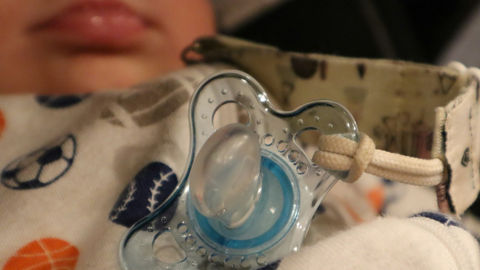
What Is an Orthodontic Pacifier? Does It Protect the Teeth, and When Should It Be Stopped?
Does an orthodontic pacifier really protect tooth structure? The effect of pacifiers on teeth, safe selection criteria, and the right time and ways to stop.

When Do Molars Come In? 6-Year and 12-Year Molars
The eruption ages of baby molars and permanent molars, why the 6-year molar should not be mistaken for a baby tooth, and ways to protect molars from cavities.

Which Department Do You See for Braces? Which Department Is Orthodontics?
Braces and clear aligner treatment fall under orthodontics. This article covers the orthodontist's role, how it differs from other departments, and what the first exam involves.

Mouthwash for Teeth and Gums: When and How to Use It
Types of mouthwash, the right time to use it and what to watch for with long-term use: why mouthwash does not replace brushing and flossing.

Front Tooth Cavity: Causes, Signs and Treatment
We explain the causes of front tooth cavities, their early signs, why cavities between the teeth are noticed late, and treatment options such as cosmetic fillings, bonding and crowns.

Metal Braces: Who They Suit, Benefits and the Treatment Process
We explain in a balanced way how metal braces work, who they may suit, their advantages and limits, how they differ from other methods, and the treatment process.

Tooth Numbers and Tooth Chart: Which Tooth Is Which Number?
We explain in plain language, using the tooth chart and the two-digit FDI numbering system, which tooth has which number and how baby teeth are numbered.

Types of Dental Crowns: Zirconia, Porcelain, E-max and Veneers
From porcelain-fused-to-metal to zirconia, from all-ceramic to veneers, we summarize the types of dental crowns, the criteria that affect the choice and how to care for a crown.

What Is Dental Plaque (Bacterial Plaque)? How to Remove It and How It Differs from Tartar
Bacterial plaque is a soft biofilm that sticks to the teeth and turns into tartar if it is not removed. We explain how it forms, how to remove it at home and how it differs from tartar.

When Do Wisdom Teeth Come In? Eruption Age and Symptoms
Wisdom teeth come in between ages 17 and 25 for most people. We explain the symptoms of eruption, impacted wisdom teeth and when to see a dentist.
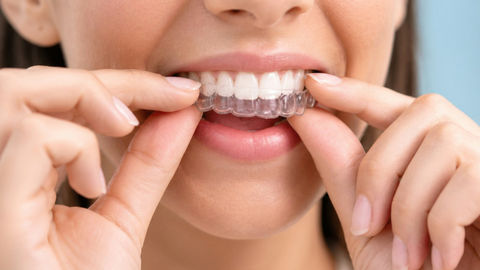
Short-Term Clear Aligner Treatment for Minor Corrections
Can mild crowding or small gaps in the front teeth be corrected with fewer aligners? We explain when short-term clear aligner treatment is and is not suitable.

Teeth Shifted Again After Braces: A Second Treatment with Clear Aligners
Teeth shifting again years after braces treatment is common. We explain the causes of relapse and how a second treatment with clear aligners is planned.

Facial Asymmetry and Orthodontics: Can a Jaw Shift Be Corrected?
Whether facial asymmetry can be corrected depends on its source. The difference between dental, functional and skeletal asymmetry, and orthodontic and surgical options.

Does Mouth Breathing Affect Jaw Development? Signs in Children
Long-term mouth breathing is linked to a narrow upper jaw and crossbite in some children. Signs, ENT evaluation and the role of orthodontics.

Can Braces Be Placed on Only the Front Teeth or One Jaw?
Partial braces are possible in some mild cases, but the decision is determined by the whole bite, not by how the teeth look.

What Are Buck Teeth? How Do Protruding Upper Front Teeth Get Corrected?
The buck teeth look can come from forward-tilted teeth or a lower jaw set back. We explain the causes and the options for correcting them.

Canine Tooth Sticking Out or Sitting High: Causes and Treatment
Why does a canine tooth stick out or sit high, how does it differ from an impacted canine, and how is it moved into place with braces or clear aligners?

Do You Wear a Retainer for Life? Nighttime Wear and Timelines
Why is a retainer worn for so long, when does wear drop to nights only, when is it replaced and what happens if you stop? We explain the retention period in plain language.

Lost or Broken Retainer: Will Your Teeth Shift, and What Should You Do?
Teeth do not shift overnight when a retainer is lost, but delay raises the risk. We explain the first steps, the new retainer process and your options.

Bonded Retainer Came Off: What Should You Do, and Will Your Teeth Shift Right Away?
A bonded retainer coming loose is usually not an emergency, but delay raises the risk of shifting. We explain the first steps and repair options.

Does It Hurt When Braces Are Removed? Removal Day Step by Step
Braces removal usually involves only a brief feeling of pressure. We explain the appointment steps, adhesive cleanup and the retainer process.

Smoking, Coffee and Tea with Braces: Staining and Risks
Smoking, coffee and tea can cause staining around brackets and yellowing of elastic ties. Risks, habits that reduce staining and drinks with clear aligners.

Playing Sports with Braces: Do You Need a Mouthguard? A Sport-by-Sport Guide
Playing sports with braces is possible in most cases. Information on orthodontic mouthguards for contact sports, first steps after a blow and sports with clear aligners.

Can You Have an MRI with Braces? X-Rays and Airport Security
Braces are not an obstacle to an MRI in most cases, but they can distort the image near the mouth. Practical information on MRI, X-rays, CT and airports.

Speaking with Braces: Will You Develop a Lisp, and How Long Does It Last?
Speech can change slightly after braces or clear aligners are fitted, and the change is mostly temporary. Which sounds are affected and practice that eases adjustment.

What Is Braces Tightening? How Often Are Check-Ups Scheduled?
What happens at the check-up appointments people call braces tightening, how often they are usually scheduled and what happens if you miss one.

Why Do Teeth Shift with Age? Crowding After 30–40
Causes of crowding noticed after 30 to 40: natural aging, gum and bone loss, missing teeth, relapse and options for correction in adulthood.
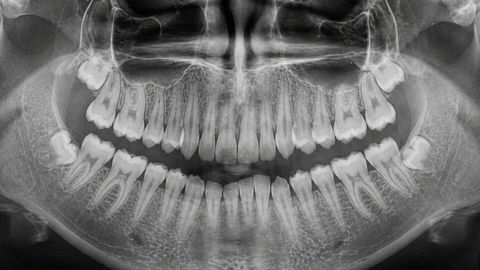
Do Wisdom Teeth Make Front Teeth Crowded? What Is Known and Common Myths
It is a common belief that wisdom teeth push the front teeth, but the evidence does not strongly support this link. We explain what is known and how the extraction decision is made.
Do Braces Cause Cavities? Risks and Ways to Prevent Them
Braces do not cause cavities themselves; oral care is what matters. We explain the risks of decay, gum inflammation and root shortening in a balanced way.

White Spots on Teeth After Braces: Why They Happen and Whether They Go Away
White spots seen after brackets come off are usually a sign of early enamel loss. We explain why they form, whether they fade and what the options are.

Braces Sores: How Does Irritation Inside the Cheeks and Lips Heal?
Braces sores are mostly caused by brackets and wire ends rubbing. Ways to find relief with orthodontic wax, oral hygiene and what to do about a poking wire end.

How Long Does Braces Pain Last? What Can You Do to Feel Better?
Braces pain usually peaks in the first 1 to 3 days and in most cases eases within a week. Causes, ways to find relief at home and symptoms to watch for.

Do Braces Change Face Shape? Jawline, Lips and Profile
Braces change the position of the teeth, not the skeleton of the face; any difference in the lips and profile varies from person to person. Dental versus skeletal problems explained.

Does Orthodontic Treatment Stop Teeth Clenching? A Clear Aligner Guide
Orthodontic treatment does not end teeth clenching on its own, but people who clench can still have clear aligner treatment. What to know about the bite, aligner wear and protection after treatment.

Teeth Clenching and Stress: Sleep, Caffeine and Daily Life
Stress can trigger teeth clenching, but it is not the only cause. We explain the role of sleep patterns, caffeine, alcohol and smoking, and what you can do in daily life.

How Teeth Clenching Damages Teeth: Wear, Fractures and Sensitivity
Teeth clenching can lead to enamel wear, cracked teeth, broken fillings and crowns, and sensitivity. We explain how the damage occurs and the repair options.

What Helps With Teeth Clenching? Jaw Relaxation Exercises
We explain how to ease the load teeth clenching puts on the muscles with the resting position, gentle jaw relaxation exercises, warmth and daily habits.

Can Teeth Clenching Cause Headaches and Ear Pain? Temples and Neck
Teeth clenching can contribute to pain in the temples, in front of the ear and in the neck. We explain the symptoms, when to see another doctor and ways to ease the pain.

Teeth Clenching Symptoms: How to Tell If You Clench at Night
Morning jaw fatigue, tooth wear, marks along the tongue... We explain the symptoms of teeth clenching, how to observe yourself and what is checked at an exam.

What Causes Teeth Grinding During Sleep? Causes and What to Do
Teeth grinding during sleep does not have a single cause. We explain the role of stress, sleep patterns, snoring and habits, along with protective options.

Do Anti-Snoring Oral Appliances Work? Side Effects and Use in Sleep Apnea
An anti-snoring appliance can reduce snoring in the right person, but it is not suitable for everyone. Effectiveness, side effects, its role in sleep apnea and the adjustment process are covered here.

What Is Splint Therapy? How Many Months Is a TMJ Splint Worn?
What is splint therapy, how does it differ from a night guard, which complaints is it recommended for and how many months is it worn in most cases? The basics of TMJ splints.

Can You Use an Over-the-Counter Night Guard? Upper or Lower Jaw?
What are the ready-made night guards sold in pharmacies, how do they differ from a custom guard, and is a guard made for the upper or the lower jaw? A measured comparison.

Can a Night Guard Straighten Teeth? Clear Aligners vs. Retainers
A night guard does not move teeth; it protects them. We explain how it differs from clear aligners and retainers, and what to consider in orthodontic treatment for people who clench.

How to Use a Night Guard: A Guide to Wearing, Cleaning and Storage
A practical guide to putting in a night guard correctly, daily cleaning, preventing odor and yellowing, storage conditions and when to go for a check-up.

Can a Night Guard Cause Harm? Side Effects and Proper Use
Serious harm is rare with a custom night guard that is checked regularly. We explain temporary complaints, the risks of a poorly fitting guard and when to see your dentist.

What Determines the Cost of a Night Guard? Types, Materials and Process
The fee for a night guard depends on the guard type, material, impression method and follow-up visits. We explain the factors that shape the cost and how often a guard needs replacing.

Orthodontics for Teenagers and Adults: How Does the Treatment Approach Differ?
In teenagers, growth guides treatment, while in adults the gums, bone and additional treatments come to the fore. We compare the orthodontic approach for the two groups.

Can Clear Aligners or Braces Be Used if You Have a Jaw Joint Problem?
Is orthodontic treatment possible with a jaw joint disorder? We explain why an evaluation comes first and how it relates to a night guard.

How Do Teeth Move in Orthodontics? Bone Remodeling Explained
Teeth do not sit rigidly in the bone. Orthodontic force remodels the bone; this article explains the biology of the process and the importance of the retainer in plain terms.

The First Orthodontic Exam: Which Records Are Taken and How Is Treatment Planned?
We explain how the clinical exam, X-rays, photographs and digital scan taken at the first orthodontic exam turn into a treatment plan.

Can You Use Clear Aligners With Crowns, Fillings and Implants?
Can clear aligners be used in a mouth with crowns, fillings, bridges and implants? Teeth that cannot be moved, attachment retention and planning.

Eating and Drinking With Invisalign: What to Keep in Mind
What can you drink with the aligners in, what to do before a meal, and how to prevent staining? We explain the eating and drinking rules for Invisalign.

Speaking, Sports and Musical Instruments With Invisalign: Everyday Life
What you need to know about the temporary change in speech, mouthguards during sports and the adjustment period with wind instruments while wearing Invisalign.

What Happens After Your Braces Are Removed? Retainers and Follow-Up
We explain, in patient-friendly language, the removal appointment, what you feel in your mouth afterward, retainer options and the risk of relapse.

What Is Accelerated Orthodontics? What Can Be Done to Shorten Treatment Time?
The level of evidence for accelerated orthodontic methods is limited. We explain what really determines treatment time: the plan, compliance and check-ups.

Impacted Canine Tooth: Can It Be Brought Into Place With Orthodontics?
In many cases an impacted canine can be brought into place with surgical exposure and orthodontic traction. We explain the causes, diagnosis and alternatives.

When Is Tooth Extraction Needed in Orthodontic Treatment? Is Non-Extraction Treatment Possible?
In orthodontics, extraction is decided based on space needs and records. We explain the non-extraction alternatives and their limits.
Brushing and Cleaning With Braces: A Practical Guide
The area around brackets and wires collects plaque easily. We explain the brushing order, helpful tools and how to prevent white spots.

Braces Emergencies: Broken Brackets, Poking Wires and Lost Elastics
A broken bracket, a poking wire or a lost elastic often does not need urgent intervention, but it is important to know the right temporary measures. What to do at home, and when to reach the clinic?

The First Week After Getting Braces: Soreness and Discomfort
Soreness and mild discomfort are common in the first days after getting braces. Here is what to know about eating, mouth sores and when to contact your doctor.

Sapphire and Self-Ligating Brackets: What Are the Differences?
Sapphire brackets stand out for their aesthetic look, while self-ligating brackets stand out for how they hold the wire. We explain the differences between the two systems and what the choice depends on.

What Is a Crossbite? Treatment Options for Children and Adults
A crossbite is when the bite of the upper and lower teeth is reversed. We explain its causes, treatment options for children and adults, and the importance of early evaluation.
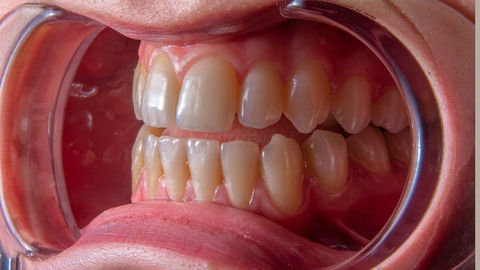
What Causes Protruding Upper Teeth (Overjet)? What Are the Treatment Options?
When the upper front teeth sit noticeably in front of the lower teeth, it is called overjet. We explain its causes and treatment options for children and adults.

Crowded Teeth Treatment: Causes, Options and the Process
Crowded teeth mostly result from a lack of space. We explain the causes, treatment options including braces and clear aligners, and follow-up after treatment.

What Is an Orthodontic Mini-Screw (TAD)? When Is It Used?
An orthodontic mini-screw is a small temporary device that provides a fixed anchor point while teeth are being moved. We explain its uses, placement process and safety.

What Are Orthodontic Elastics (Rubber Bands)? How Are They Worn and Why Do They Matter?
Orthodontic elastics are small but effective helpers that make the upper and lower jaws fit together properly. We explain their types, wear time and common mistakes.

What Is Invisalign Refinement? When Is an Additional Aligner Set Needed?
Refinement is an additional aligner set prepared to correct small remaining deviations when the first series of aligners ends. Learn why it is needed and how it proceeds.

What Is IPR in Orthodontics? Why Are the Spaces Between Teeth Slightly Reduced?
IPR is a procedure that gains space by removing a very small amount of enamel from the side surfaces of neighboring teeth. Learn why it is done, how safe it is and what the alternatives are.

What Are Invisalign Attachments? What Do the Small Bumps on Your Teeth Do?
Attachments are small tooth-colored bumps that help a clear aligner grip the tooth and guide its movement. Here is how they are placed, cared for and removed.

Types of Orthodontic Treatment: Metal, Ceramic, Lingual and Clear Aligners
A short overview of orthodontic treatment types, from metal and ceramic braces to lingual braces, clear aligners and removable appliances, and the logic behind comparing them.

Why Is a Child's First Orthodontic Checkup Recommended at Age 7?
The American Association of Orthodontists recommends a first orthodontic checkup no later than age 7. We explain why this age matters, what is checked during the exam and which children need early treatment.

What Is the Difference Between an Orthodontist and a Dentist?
Every orthodontist is a dentist, but not every dentist is an orthodontist. We explain the difference in training, what each one focuses on and when you should see an orthodontist.

Clear Aligners Ordered Online: What Are the Risks of Treatment Without an Exam?
Services that take impressions at home and mail aligners to you may skip the in-person examination and X-rays. We explain the possible risks and the questions to ask before starting treatment.

What Is Mewing? Can Tongue Posture Really Change Your Jawline?
The mewing trend spreading on social media has not been shown scientifically to change the jawline. We explain the possible risks, healthy tongue posture and what is done when there is a real jaw problem.

Daytime Teeth Clenching: Noticing It, Breaking the Habit and Treatment Options
Clenching while awake is a habit that can be broken once you notice it. We explain the signs, the teeth-apart, tongue-on-palate resting position, daily strategies and where guards and Botox fit in.

How Is a Night Guard for Teeth Clenching Made? Impressions, Digital Scanning, Care and Replacement
We explain how a night guard for teeth clenching is prepared from examination to delivery, the difference between impressions and digital scanning, the adjustment period, correct cleaning and when the guard should be replaced.

Types of Night Guards for Teeth Clenching: Hard, Soft and Stabilization Splints
We explain the differences between soft night guards, hard acrylic guards and stabilization splints, whether a guard is made for the lower or upper jaw, and why ready-made guards are often not enough.

Botox for Teeth Clenching: Treatment Day, How Long It Lasts and Aftercare
We explain the assessments made before Botox for teeth clenching, the treatment day, when the effect starts and how long it lasts, what to watch for afterwards and who should not have it.

Botox or a Night Guard for Teeth Clenching? Comparing Two Approaches to Bruxism Treatment
A night guard protects the teeth, while Botox temporarily relaxes the chewing muscle. We explain the differences between the two methods in bruxism, who each one is considered for and using them together.

Is Jaw Expansion Possible in Adults? Options and Limits
Jaw expansion options for adults: dental and skeletal approaches, MARPE, surgically assisted expansion, risks and the limits of clear aligners.

Retention After Palatal Expansion: Why the Width Must Be Maintained
Why is retention needed after palatal expansion? The risk of the width relapsing, how long retention lasts, the gap between the front teeth and the next treatment stages.

Jaw Expansion with Invisalign First: Are Clear Aligners Enough?
How far can Invisalign First go in expanding the jaw in children? What the method can do, its limits and when a conventional orthodontic appliance is needed.

Removable or Fixed Orthodontic Appliance? Differences and How to Choose
How do removable and fixed orthodontic appliances work, and which one is considered in which situation? The differences, treatment time and how the decision is made.

A Guide to Eating, Speaking and Care With an Orthodontic Appliance
Practical tips for appliance care, eating and getting used to speaking with removable and fixed orthodontic appliances.

Habit-Breaking Appliances: For Tongue Thrusting and Thumb Sucking
A habit-breaking appliance helps prevent thumb sucking and tongue thrusting from harming the teeth. We explain the types, the right age and how long it is worn.
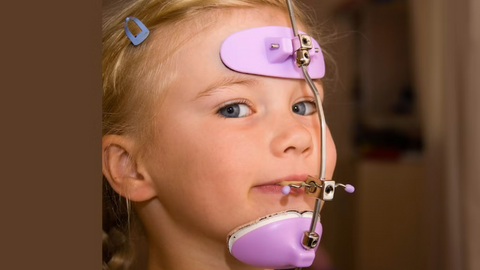
What Is Orthodontic Headgear (Extraoral Appliance)? When Is It Used?
Headgear is an extraoral appliance used for upper jaw protrusion and molar position. We explain its types, how long it is worn and the safety rules.

What Are Functional Appliances? Guiding Jaw Growth in Children
Functional appliances aim to guide jaw growth during the growth years. We explain their types, when they are used and how treatment progresses.

What Is a Twin Block Appliance? Its Use for a Retruded Lower Jaw
The Twin Block is a removable functional appliance used for a retruded lower jaw during growth. We explain how it works, how long it is worn and what comes after.

What Is a Rapid Palatal Expander (RPE)? How Does It Work?
An RPE, or Hyrax appliance, is a fixed device that widens a narrow upper jaw during the growth years. We explain how it works, the screw-turning schedule and the gap between the front teeth.

When Is the Tooth Placed After an Implant Screw?
How the implant screw integrates with the bone, waiting times in the lower and upper jaw, conditions for immediate loading and temporary tooth options during the waiting period.

Why Do Teeth Shift Again After Orthodontic Treatment?
The tendency of teeth to drift back toward their old positions after braces or aligners is called relapse. Wearing a retainer is the main way to keep this tendency under control.

Dental Treatment for Autistic Individuals: Preparation, Approach and Care
Dental treatment for autistic children and adults is planned around sensory sensitivities and communication needs. A practical guide for families, from preparation to home care.

Clear Aligner Treatment for Children: At What Age and in Which Cases?
Clear aligners for children are planned by assessing the stage of dental development and the child's compliance. This guide explains age, follow-up and the differences from braces for parents.

Numbness That Won't Go Away After Tooth Extraction: Causes and Treatment
We explain the causes of lip, chin or tongue numbness that persists after a tooth extraction, how it is assessed and treated, and what recovery looks like.
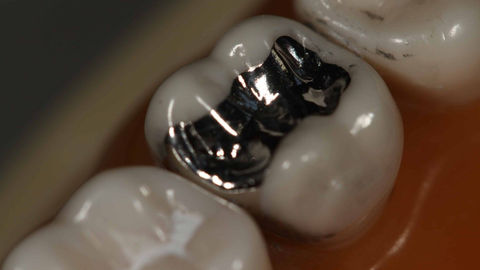
Amalgam Filling Removal: When Is It Needed, and How Is It Done?
When amalgam fillings should be replaced, the steps of a safe removal protocol and the filling options that can be used instead.

The Clear Aligner Treatment Process: Step by Step from First Exam to Retainer
We explain what is done at each stage of clear aligner treatment, from the first examination to the retainer phase, and what the duration depends on.
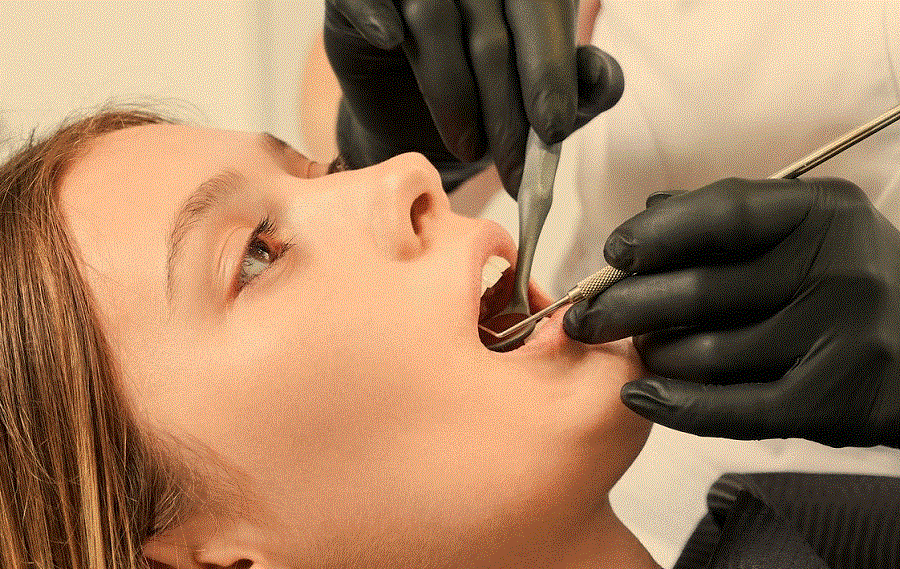
Alveoloplasty and Preprosthetic Surgery: Preparing the Mouth for Dentures
For a denture to fit comfortably, the jawbone and soft tissues need to be in suitable shape. We explain alveoloplasty and other preprosthetic surgical procedures.

What Is a Tooth Gem? How Is It Applied, and Does It Damage the Tooth?
How decorative gems bonded to the tooth surface are applied, their possible risks, how long they stay on and how a dentist removes them.

What Is a Retruded Lower Jaw? Signs and Treatment Options
The causes and signs of a lower jaw that sits too far back, the treatment approaches used for children and adults, and the role of clear aligners.

Oral, Dental and Maxillofacial Surgery: Which Procedures Does It Cover?
From a simple tooth extraction to impacted teeth, implants, bone grafts and cyst treatment, we introduce the scope of oral surgery and the anesthesia options.

Toothache in Children: Causes and What to Do
The causes of toothache in children, first aid steps at home, what to watch for when using pain relievers and situations that call for seeing a dentist right away.

What Is a Pulpotomy? A Treatment That Preserves the Tooth Root
A pulpotomy is a treatment in which the inflamed nerve in the crown of the tooth is removed while the healthy nerve in the root canals is preserved. We explain how it differs from a root canal and how it is done.

What to Watch Out for After a Dental Filling and Causes of Pain
Mild sensitivity after a filling is common, but pain when biting down may point to a different problem. Here is what you need to know after a filling.

What to Watch Out for During Treatment with Braces: A Practical Guide
Whether treatment with braces goes as planned depends on daily habits. We have put together practical rules for eating, cleaning and minor emergencies.

Does Getting a Dental Implant Hurt? During and After the Procedure
We explain what you feel during and after an implant procedure, anesthesia options, normal and abnormal pain, and tips that make recovery easier.

What Is Trismus (Lockjaw)? Causes and Treatment
We explain the causes and symptoms of trismus, known as being unable to open the mouth, the treatment and exercise approaches, and situations that require emergency care.
What Is a Jaw Misalignment Appliance? When Is It Used?
Jaw misalignment means the lower and upper jaws are incorrectly positioned relative to each other. It can be guided with appliances during growth; in adults, orthodontics or surgery is considered.

What Is a Gummy Smile? Causes and Treatment Options
Showing too much gum when you smile can have several causes, and treatment is chosen based on the cause. We explain the causes of a gummy smile and the treatment options.

What Causes Dry Mouth (Xerostomia)? How Can It Be Relieved?
We explain how dry mouth relates to medications, diabetes and systemic diseases, the cavity risk it brings and relief methods you can use at home.
What Causes Jaw Tension? Causes and Treatment Approaches
Jaw tension is often linked to stress, teeth clenching or jaw joint problems. Understanding the cause is the first step in choosing the right relief and treatment.

What Is Odontodysplasia (Ghost Teeth)? How Is It Treated?
We explain the symptoms of regional odontodysplasia, a rare developmental dental disorder, its ghost-like appearance on X-rays, its causes and the treatment approach.

Dental Injuries in Children: A Guide to Correct First Aid
When a tooth is knocked out, broken or loosened after a fall or blow, what is done in the first minutes can determine the outcome. Step-by-step first aid for parents.

What Is Arthrocentesis (Jaw Joint Injection)? Who Is It For?
We explain when arthrocentesis, in which the jaw joint is rinsed with a sterile solution, is considered, how it is performed and what to expect afterwards.

Orthodontics for Children: When to Start and Which Treatments Are Used
A child's first orthodontic checkup is generally recommended at around age 7. We have summarized for parents the situations that call for early intervention and the treatment options used for children.
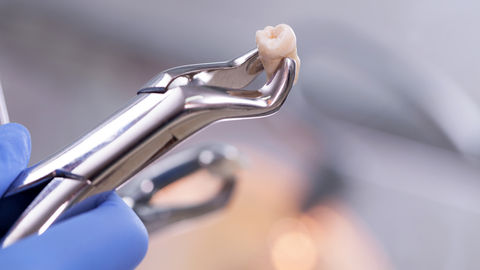
Does Tooth Extraction Hurt? What Happens During and After
What you feel during and after a tooth extraction, how anesthesia is given, steps that reduce pain and ways to manage fear of the dentist.
What Is a Palatal Expander? Who Needs One and at What Age?
We explain how expansion appliances used for a narrow upper jaw work, at what age they are most effective and what to expect after treatment.
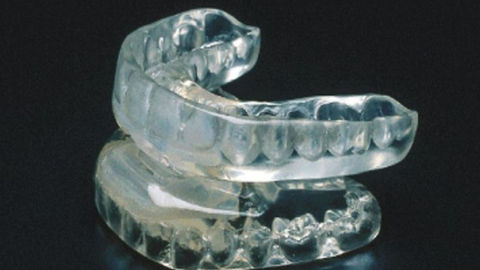
What Is a TMJ Splint? Its Use in Jaw Joint Treatment
What a TMJ splint is, how it differs from a night guard, when it is used for jaw joint disorders and how to care for it.

When Should You Replace Your Toothbrush? Wear, Illness and Storage
Your toothbrush loses cleaning power over time. We explain how often to replace it, the signs of wear and how to store your brush hygienically.

What Causes Bleeding Gums? Causes and How to Prevent Them
Bleeding when brushing or flossing is often an early sign of gum inflammation. We explain the causes and why early treatment matters.

What Is Dental Fluorosis? Tooth Stains From Excess Fluoride and Their Treatment
Fluorosis is the formation of white lines or brown stains on enamel due to excess fluoride intake while teeth are developing. We explain its causes, prevention and treatment options.
How Should You Care for Your Gums? A Guide to Healthy Gums
A daily care routine, the right brushing technique, interdental cleaning and the warning signs that mean it is time to see a dentist, for keeping your gums healthy.

What Is Orthognathic Surgery (Jaw Surgery)? Who Needs It?
We explain who needs orthognathic surgery for skeletal jaw discrepancies, how it is planned together with orthodontics and what the recovery process involves.
What Is an Orthodontic Face Mask? Early Upper Jaw Correction in Children
We explain how the face mask used for children with an underdeveloped upper jaw works, the right age, daily wear and follow-up afterwards.

When Should Wisdom Teeth Be Removed? Does Every Wisdom Tooth Need to Come Out?
Not every wisdom tooth that causes no problems needs to be removed. We explain when extraction is recommended and when monitoring is enough.

How Is Implant Treatment Done? Steps and Timeline
The steps of implant treatment from the examination to the permanent tooth, implant timing after an extraction, and the factors that affect total treatment time.
How to Clean a Dental Bridge: A Guide to Bridge Floss
Food debris that builds up under fixed bridges can lead to gum inflammation and decay in the abutment teeth. Tools and a daily routine for keeping the area under your bridge clean.

What Are Clear Aligners? How Do They Work and Who Are They For?
A guide that explains clear aligner treatment from the ground up: how it works, suitable cases, treatment stages, pros and cons.

What Is an Anti-Snoring Appliance? How Does It Work and Who Should Use It?
We explain oral anti-snoring appliances, which help keep the airway open by holding the lower jaw slightly forward during sleep, who they suit and how they relate to sleep apnea.

What Are Mini Dental Implants? Who Are They For, and When Are They Used?
We explain when mini implants, which are narrower than standard implants, are preferred, what their limits are and how the treatment process works.
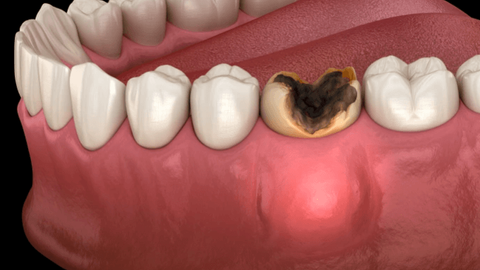
What Is a Dental Abscess? Symptoms, Types and Treatment
We explain the causes, types and symptoms of tooth and gum abscesses, the treatment steps and the risks that can arise if an abscess is left untreated.

How Long After Getting Braces Do Teeth Start to Straighten?
With braces, the first changes are often noticeable within a few weeks, but full correction takes months. This article offers a realistic month-by-month timeline.

How Long Does a Root Canal Last? Factors That Extend Its Lifespan
A root canal-treated tooth can be used for many years when it is restored correctly. We explain the factors that determine its lifespan and decisions about crowns and fiber posts.

What Is Orthodontics? Who Needs Orthodontic Treatment and How Is It Done?
Orthodontics is the dental specialty that diagnoses and treats misaligned teeth and jaws. We explain how it works with braces, clear aligners and orthodontic appliances.
Invisible Orthodontics: Clear Aligners and Other Aesthetic Options
Clear aligners, lingual braces and ceramic brackets: we compared how invisible orthodontic options work, how they affect daily life and who they suit.

Botox in Dentistry: Bruxism, Gummy Smile and the Jaw Joint
In dentistry, botulinum toxin can be used as a supportive option for teeth clenching, gummy smile and jaw muscle pain. We explain where it is used, how safe it is and its limits.

What Is a Zygomatic Implant? A Solution for Severe Upper Jaw Bone Loss
When bone in the upper jaw is severely reduced, conventional implants are not always possible. We explain who zygomatic implants anchored in the cheekbone are suitable for and how the process works.

Is Laser Teeth Whitening Safe? How Is It Done, and How Long Does It Last?
We explain how light-activated in-office whitening is done, its safety, its effect on enamel, how long the results last and who it is not suitable for.

Are Fluoride Toothpaste, Gel and Varnish Dangerous? A Scientific Look
We look at common concerns about fluoride using scientific evidence and explain safe amounts, fluorosis and how children should use toothpaste.

What Is Dental Bonding? How Is It Done, How Long Does It Last and Who Is It For?
Bonding is a cosmetic procedure in which tooth-colored composite is bonded to the tooth and shaped. We explain its steps, how it differs from veneers and how long it lasts.

What Is a Gingivectomy and How Is It Done? Gum Contouring
We explain when gum trimming is needed, pink aesthetics, laser and conventional methods, the procedure and recovery.

What Causes a Toothache and How Does It Go Away? Types and Emergencies
A toothache can stem from many causes, from cavities and gum problems to sinusitis and clenching. We explain its types, what you can do at home and when it is an emergency.

Can Adults Get Braces? Is There an Age Limit for Orthodontics?
There is no upper age limit for orthodontic treatment; what matters is gum and bone health. We explain how adult orthodontics differs and the options available.

What Is a Temporary Tooth? How Is It Made and How Long Is It Worn?
We explain the role of temporary teeth used in crown, bridge and implant treatments, how they are made, how long they are worn and how to care for them.

How Are Braces Put On? The Process Step by Step
A step-by-step guide to the appointment when brackets are placed, the preparation beforehand, the adjustment period in the first days and checkup appointments.

Foods and Drinks That Protect and Harm Your Teeth
Which foods and drinks protect your teeth, and which raise the risk of cavities and erosion? Snacking frequency, care after meals and tips for clear aligner wearers.
What Is an Orthodontic Appliance? Types and Uses
Orthodontic appliances are intraoral or extraoral devices that guide the development of the teeth and jaws. We summarize the types, their uses and what to watch for.

Teething in Babies: Symptoms and Ways to Soothe
Information on the symptoms seen during teething, soothing methods parents can safely use at home and the first dental visit.
What Is a Deep Bite? Why Does It Develop and How Is It Treated?
In a deep bite, the upper front teeth cover the lower front teeth more than they should. We explain its causes, possible problems and treatment options with braces and clear aligners.

What Is a Cosmetic Filling? How Tooth-Colored Fillings Are Done on Front Teeth
How tooth-colored composite fillings are placed on front teeth, how the shade is chosen, and which factors affect how long a filling lasts.
What Is Pediatric Dentistry? Which Treatments Does It Cover?
We explain what pediatric dentistry covers, how a pediatric dentist differs, preventive treatments such as fluoride and fissure sealants, and tips for helping children adapt to the clinic.

What Is Sedation in Dental Treatment? Types and Who It Is For
For patients with dental anxiety or those facing a long procedure, sedation can make treatment more comfortable. We explain the types, safety and preparation.

Jaw Cysts and Tumors: Symptoms, Diagnosis and Treatment
We explain the types of cysts and tumors that develop in the jawbone, their symptoms, diagnosis with X-rays and biopsy, and recovery after surgical treatment.

What Is a Fiber Post? Rebuilding Root Canal-Treated Teeth
If a large part of a tooth has been lost after root canal treatment, a fiber post may be needed to hold the filling in place. We explain when it is used and how it is placed.

How Long Do Dental Implants Last? Advantages and Disadvantages
We explain the factors that determine how long a dental implant lasts, its advantages and disadvantages, and care tips for many years of trouble-free use.

How to Floss: Benefits and the Right Technique
We explain why dental floss is necessary, the right flossing technique step by step, the types of floss, and cleaning between teeth around braces, bridges and implants.

What Are Dental Prosthetics? Fixed, Removable and Implant-Supported Options
A basic guide comparing all prosthetic options, from crowns and bridges to complete and partial dentures and implant-supported prostheses.

What Is a Space Maintainer? When Is It Needed After a Child Loses a Baby Tooth?
When a baby tooth is lost early, neighboring teeth can drift into the gap. We explain how space maintainers prevent this drift, their types and when they are not needed.

Children's Dental Health: Why It Matters and How to Protect It
We explain why baby teeth matter, when the first dental visit should happen, what the examination involves and the habits at home that help prevent cavities.

Why and How Is a Dental Implant Removed? What Happens Afterwards?
A failed or problematic implant sometimes has to be removed. We explain the reasons for removal, how the procedure is done and the possibility of a new implant.

Black Spots on Teeth: Cavity or Stain, and What to Do?
Information to help you tell whether dark spots on your teeth come from decay, external stains, fissure staining or old fillings.

How to Clean Clear Aligners: A Guide to Daily Care and Storage
A morning and evening routine, after-meal steps and the products to avoid, all in one guide to keeping your aligners clear, odor-free and hygienic.

Gum Disease (Periodontology): Symptoms and Treatment
Bleeding gums are often the first sign of gum disease. We cover gum disease from gingivitis to periodontitis, the treatment steps and its link to general health.

Who Is a Candidate for Braces? Age, Oral Health and Requirements
We explain which orthodontic problems fixed braces are used for, the oral health requirements for treatment, and when clear aligners can be an alternative.
Why Are Baby Teeth Important? Eruption and Shedding Timeline
The roles of baby teeth, when they come in and fall out, why decay in baby teeth should be taken seriously and the transition to permanent teeth.

Jaw Deformities: Causes, Symptoms and Treatment
When the lower or upper jaw is mismatched in size, position or symmetry, it can affect chewing, speech and facial appearance. We explain the types and treatment options.

Broken Tooth: Causes, Types of Fractures, Treatment and Prevention
Tooth fractures range in severity from a small enamel crack to a root fracture. We explain the causes and types of fractures, what to do first and the treatment options.
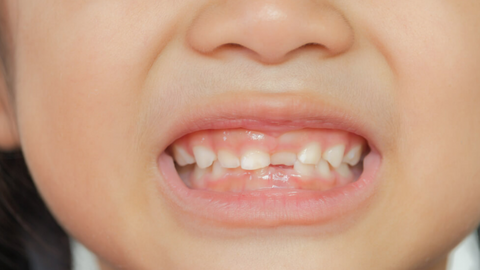
Teeth Clenching and Grinding in Children (Bruxism): When to Worry
Nighttime teeth grinding is common in children and is often temporary. We explain the causes, the warning signs and the situations that call for intervention.

What Is Gum Surgery (Flap Surgery)? How Is It Performed?
Flap surgery may be performed to reach the root surface in deep gum pockets. We explain the steps of the procedure, the healing process and aftercare.

Implant-Supported Prostheses: Types, Differences and the Treatment Process
Implant-supported prostheses range from a single-tooth crown to fixed or removable prostheses covering the whole jaw. We explain the types, how they differ and the treatment process.

What Are Porcelain Inlays and Onlays? When Are They Preferred?
Porcelain inlays and onlays are restorations made in a lab or digitally for large losses of tooth structure and then bonded to the tooth. Here is how they differ from composite fillings and crowns.

All-on-4 and All-on-6 Implant Treatment: A Fixed Solution for Complete Tooth Loss
All-on-4 and All-on-6 are a treatment concept that allows a fixed prosthesis to be placed on a small number of implants in a completely toothless jaw. This article covers the process, suitability and care.

Why Are Regular Dental Checkups Important? How Often Should You Go?
Why is it important to see a dentist even when nothing hurts? We explain how often to have checkups, what happens during an exam and the advantages of early diagnosis.

What Causes a Dental Cyst? Symptoms and Treatment Options
We explain how root tip cysts form, their symptoms, diagnosis with X-rays and CT scans, and treatment options from root canal treatment to surgery.

Who Are Clear Aligners Suitable For? Suitable and Unsuitable Cases
Clear aligners can correct many tooth alignment problems, but they are not suitable for every case. We explain which situations are suitable and how suitability is assessed.

What Is Gum Peeling (Depigmentation)? How Is It Done?
Gum peeling is a cosmetic procedure that removes excess pigment from dark gums. We explain the causes, methods, healing and how long the result lasts.

How Long Should You Ice After a Dental Implant? The Right Method
Applied on and off during the first 24-48 hours, ice after a dental implant helps reduce swelling and pain. We explain the right timing, common mistakes and recovery tips.
Thumb Sucking and Pacifiers in Children: Effects on the Teeth
Thumb and pacifier sucking, natural in infancy, can affect the development of the teeth and jaw when it goes on for too long. We explain the effects and ways to stop the habit.

Why Are Permanent Front Teeth Not Coming In? Possible Causes and Solutions
If a permanent front tooth has not come in even though the baby tooth has fallen out, the cause may be an extra tooth, lack of space or an impacted tooth. When should you wait, and when is intervention needed?

Why Do Teeth Become Translucent? Causes of Enamel Loss and Solutions
We explain how translucent tooth edges relate to enamel loss, causes such as acid and clenching, how to prevent it and the treatment options available.

What Is a Night Guard? Protection Against Teeth Clenching and Grinding
A night guard is a custom-made protective device that reduces the damage clenching and grinding cause to the teeth and jaw joint. We explain how to use it and care for it.

Can a Toothache Cause Ear Pain? Causes and Solutions
Pain from the back teeth can be felt in the ear and temple. We explain why, how to tell it apart from an ear infection, and the treatment options.

Why Does a Tooth Hurt When Biting After a Root Canal?
Tenderness to pressure lasting a few days after root canal treatment is usually normal. We explain when to wait and when to go back to your dentist.
How to Brush Your Teeth Correctly: A Step-by-Step Technique
Brushing correctly means a soft brush, a 45-degree angle, short vibrating strokes and two minutes twice a day. Here is the step-by-step technique and the common mistakes.

What Is Fear of the Dentist (Dental Phobia)? How to Overcome It
Fear of the dentist is common and can be overcome. We explain its causes, communication and treatment approaches that reduce fear, sedation options and tips specifically for children.

Smoking After a Dental Implant: Risks and How Long to Wait
We explain how smoking affects the implant's integration with the bone, recommended waiting periods, e-cigarettes and hookah, and implant planning for smokers.

Gum Cancer: Symptoms, Risk Factors and Treatment Options
The early signs, risk factors, diagnostic process and treatment options of gum cancer, the form of oral cancer that appears on the gums.
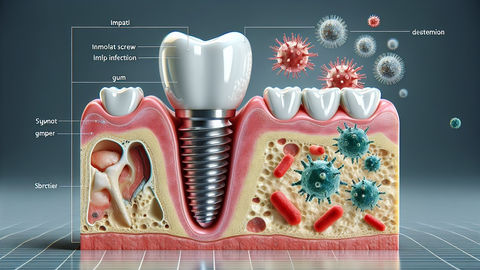
Dental Implant Infection (Peri-implantitis): Symptoms and Treatment
We explain how inflammation around an implant progresses from mucositis to peri-implantitis, its symptoms, risk factors and treatment options.

Dental Crown Fell Out: Causes and What to Do
We explain why crowns fall out, what to do and what to avoid until you reach your dentist, and the options for recementing or replacing the crown.
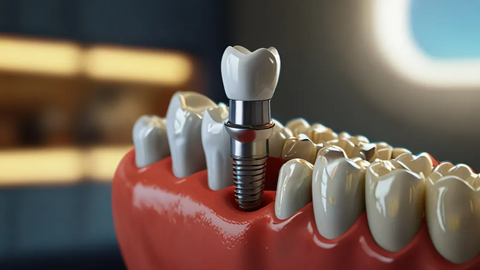
Dental Implant Treatment in Türkiye and Dental Tourism
For those considering coming to Türkiye from abroad for implant treatment, we have compiled what you need to know about planning, duration, quality criteria, travel arrangements and follow-up after treatment.
Is Tooth Extraction Safe During Pregnancy? Timing, Anesthesia and Medications
Necessary tooth extractions during pregnancy can be done with appropriate precautions. This article covers which period is more comfortable and the safety of anesthesia, X-rays and medications.

Choosing a Toothbrush for Kids and Building a Brushing Habit
An age-appropriate brush, the right amount of fluoride toothpaste and parental support are the foundation of preventing cavities in children. We have gathered tips on choosing a brush and building the habit.

What Causes Mouth Sores (Canker Sores)? How Do They Heal?
We distinguish between canker sores, cold sores and sores caused by clear aligners or dentures, and explain ways to find relief at home and when to see a doctor.

Why Do Gums Turn White? Possible Causes and Warning Signs
We explain the causes that can turn gums white, such as anemia, oral thrush, canker sores, irritation and leukoplakia, and when you should see a dentist.

Is It Safe to Pop a Tooth Abscess at Home? Risks and the Right Steps
Why popping a tooth abscess at home is risky, the warning signs of an emergency, what you can do until you see a dentist, and the treatment options.

Can a Loose Tooth Become Stable Again? Causes and Treatment in Adults
In adults, a loose tooth is often a sign of gum disease, trauma or excessive force. When treated according to its cause, many teeth can be saved.

Open Bite: Why Don't the Upper and Lower Teeth Meet, and How Is It Treated?
If a gap remains between the front teeth when your mouth is closed, it may be an open bite. We explain the causes, signs and treatment options by age.

What Are Zirconia Crowns? Benefits and the Treatment Process
We explain what zirconia crowns are, how they differ from metal-supported crowns, the treatment steps, their pros and cons and how to care for them so they last.

Tooth Root Infection: Symptoms, Causes and Treatment
We explain how a tooth root infection develops, its symptoms, why antibiotics alone are not enough, and the options of root canal treatment and extraction.

What Is Jawbone Loss? Causes, Symptoms and Treatment
The causes and symptoms of jawbone loss due to missing teeth and gum disease, its effect on dentures and implants, and graft and periodontal treatment options.

What Is a Sinus Lift? The Sinus Augmentation Procedure Before Implants
We explain the techniques, process and recovery period of the sinus lift procedure, used when there is not enough bone for an implant in the upper back jaw.

How Does Smoking Harm Your Teeth and Oral Health?
The effects of smoking on gum disease, healing after implants and extractions, staining, bad breath and oral cancer, and the benefits of quitting.

What Is Tooth Reshaping (Contouring)? When Is It Done?
Cosmetic tooth contouring and IPR in orthodontics: we explain what tooth reshaping is, how it is done, whether it is harmful and who it is suitable for.

What Are Lingual (Invisible) Braces? Pros and Cons
How lingual braces bonded to the inner surfaces of the teeth work, what the adjustment period is like, their pros and cons, and how they differ from clear aligners.
What Are Porcelain Veneers? How Are They Done, and Who Are They For?
We explain who porcelain veneers, made of thin porcelain shells, are suitable for, the steps of the procedure, how long they last and how they relate to orthodontics.

How to Prevent Tooth Decay in Children: A Practical Guide for Parents
Tooth decay in children is a largely preventable problem. We have gathered the steps families can take through diet, brushing, fluoride, fissure sealants and regular checkups.

What Is a Hollywood Smile? Which Procedures Are Used and How Is It Done?
A Hollywood smile is an aesthetic concept defined by very white, symmetrical teeth. We explain which procedures are used, who it suits and how it differs from natural smile design.

What Is Smile Design? Personalized Aesthetic Planning
Smile design is personalized planning that aims to bring the teeth, gums and lips into harmony with the face. We explain its stages, the treatments used and the role of orthodontics.
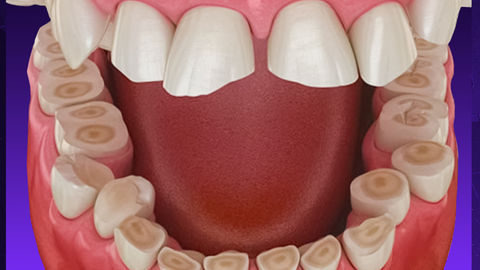
What Is Dental Acid Erosion? Signs and Ways to Prevent It
Acid erosion is permanent wear caused by acids chemically dissolving the enamel without bacteria. We explain its causes, signs and ways to protect your teeth.

When Is Root Canal Retreatment Needed?
A tooth that has had a root canal can develop pain or swelling years later. We explain when root canal retreatment is needed and how it is done.

What Is a Tooth Extraction? When Is It Needed, and How Is It Done?
When the decision to extract a tooth is made, the difference between simple and surgical extraction, the steps of the procedure, aftercare and replacing the missing tooth.

What Is a Dental Implant? A Guide to the Stages and Advantages
A guide that explains dental implants from the ground up: their structure, who they suit, the treatment stages, advantages, possible risks and long-term care.

Pros and Cons of Clear Aligners: An Honest Assessment
Clear aligners offer aesthetics and comfort, but they require the discipline of wearing them 20-22 hours a day and are not suitable for every case. We go through the pros and cons one by one.

What Is a Dental Filling? Types and Steps of the Procedure
A dental filling is the basic treatment that replaces tooth tissue lost to decay or fracture. We explain the types of fillings, how they are done and how to care for them.

Why Does Diabetes Cause Dry Mouth? Diabetes and Oral Health
We explain how diabetes affects dry mouth, gum disease and decay risk, and how home care and regular dental check-ups help protect your mouth.

Baby Oral and Dental Care: A Guide from Birth to Age Two
Oral care for babies starts before the first tooth appears. A practical 0-2 guide to choosing a toothbrush and toothpaste, the causes of staining and bottle habits.
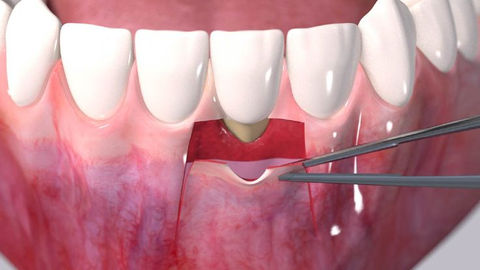
What Is Gum Recession? Causes and Treatment Options
The causes and symptoms of gum recession, treatment options including connective tissue grafts, and what you can do to keep it from progressing.

What Is Dental Tomography (Cone Beam CT)? When Is It Needed?
Dental tomography is a low-dose imaging method that shows the teeth and jawbones in three dimensions. We explain when it is needed and how the scan is taken.
Oral and Dental Health in Pregnancy: Treatment, Check-ups and Care
Hormonal changes during pregnancy can affect the gums, and many expectant mothers wonder about treatment timing. We have brought together the safe treatment periods and care tips.

What Is a Narrow Jaw? Symptoms and Treatment Options
What causes a narrow jaw and how is it noticed? Expansion appliances for children, treatment options for adults and the role of clear aligners.

What Is Teeth Whitening (Bleaching)? Methods and Effects
Teeth whitening is a dentist-supervised procedure that lightens color pigments beneath the enamel. In-office and at-home methods, suitability, side effects and how long it lasts.
What Is a Hawley Retainer? When and How Is It Used?
We explain the design of the Hawley retainer, made of an acrylic base and a metal wire, what it is used for, how it differs from a clear retainer and how to care for it day to day.

Who Can Get Dental Implants? Eligibility Criteria and Assessment
We explain the bone, gum and general health requirements for implants, the age limit, the effect of chronic conditions and what is done during an eligibility assessment.

What Are Composite Veneers? Advantages, Procedure and Lifespan
Composite veneers can often correct small shape and color issues in the front teeth in a single session. We explain how they differ from porcelain, how long they last and how to care for them.

What Is a Frenectomy? Who Needs Tongue-Tie and Lip-Tie Surgery?
When the tongue or lip frenulum is short or thick, speech, feeding and tooth alignment can be affected. We explain who needs a frenectomy and what recovery looks like.

Gum Problems in Puberty and How to Manage Them
Puberty hormones can make the gums more sensitive to bacterial plaque. We explain the symptoms, tips for teenagers with braces and gum care advice.

Bruxism (Teeth Clenching and Grinding): Causes and Treatment
We explain the causes and symptoms of teeth clenching and grinding, the damage it can do to your teeth, and treatment options ranging from night guards to behavioral methods.

What Is Tongue-Tie (Ankyloglossia)? Symptoms and Treatment
Tongue-tie is a restriction of tongue movement caused by a short or thick membrane under the tongue. We explain its symptoms, when intervention is needed and the treatment options.

What Is a Snap-On Denture (Overdenture)? Benefits and Use
A removable denture that moves or falls out can affect quality of life. We explain how implant- or root-supported snap-on dentures work and who they are suitable for.

How to Choose a Toothpaste: Which One Is Right for You?
From fluoride content to sensitivity and whitening claims, and from children's toothpaste to dental floss, we explain how to choose the oral care products that fit your needs.

What Causes Bad Breath (Halitosis)? How to Treat and Prevent It
Most cases of bad breath originate inside the mouth and can be controlled with proper care. We explain the causes, what you can do at home and the treatments a dentist provides.

What Is Tooth Decay? Symptoms, Stages, Treatment and Prevention
Tooth decay starts when acids made by bacteria from sugar dissolve enamel. We explain its stages, treatment by stage and how to prevent decay while wearing clear aligners.

Teeth Whitening: At-Home Methods or In-Office Treatment?
We compare the risks of home remedies such as baking soda and lemon, at-home whitening kits and teeth whitening done at the clinic.

Implant or Bridge (Crown)? Making the Right Choice for a Missing Tooth
When a single tooth is missing, the two options most often discussed are an implant and a bridge. We explain how each method works, their advantages and when one or the other comes out ahead.

What Is a Bone Graft (Bone Powder)? Bone Support Before Implants
Bone that resorbs after tooth loss may not be enough for an implant. We explain the types of bone grafts, when they are used and what the healing process looks like.

What Is an Impacted Tooth? Symptoms, Risks and Treatment Options
An impacted tooth is a tooth that fails to take its place in the mouth on time and stays within the bone or gums. We explain which teeth are most often impacted, the symptoms, risks and treatment options.

E-max and Empress Crowns: A Guide to All-Ceramic Crowns
We explain the features of metal-free e-max and Empress crowns, how they differ from zirconia, the treatment process and care tips for a long lifespan.

Gum Fungus (Oral Candidiasis): Symptoms and Treatment
We explain the causes, risk groups, symptoms and treatment of oral thrush, and how it can be prevented in people who wear dentures or clear aligners.

What Is a Water Flosser? How to Use It and Can It Replace Dental Floss?
A water flosser is an aid that cleans between the teeth and along the gumline with pressurized water. We explain who benefits from it, how to use it correctly and its limits.

Types of Braces: Metal, Ceramic, Lingual and Clear Aligners
We compare metal, ceramic, lingual and self-ligating brackets and clear aligners on a single page and explain which may suit whom.

What Causes Tooth Sensitivity? Solutions at Home and in the Clinic
We explain the causes of tooth sensitivity to cold, heat and sweets, what the type of pain may indicate, and solutions you can use at home and in the clinic.

Wisdom Tooth Extraction Recovery: What to Expect Day by Day
The first week after wisdom tooth extraction is the most important period of healing. We have put together what to expect day by day and the warning signs to watch for.

Why Do My Teeth Hurt When I Eat Sweets? Causes and Solutions
A twinge when eating sweets is often a sign of early decay, enamel wear or gum recession. We explain the causes, what you can do at home and when to see a dentist.

Does Brushing Your Teeth Too Hard Cause Damage? Overbrushing Explained
Brushing harder does not mean cleaner teeth. We explain how aggressive brushing affects the gums and enamel, the right pressure and how to choose a toothbrush.

Does Brushing Your Teeth Protect Against Alzheimer's? What Science Says
Studies linking gum disease and Alzheimer's are drawing attention, but a cause-and-effect link has not been proven. We sum up in plain language what science says today.

What Is Baby Bottle Tooth Decay? How Is It Prevented and Treated?
We explain the causes and first signs of early childhood caries, and the protective rules parents can follow from the very first tooth.

What Is Tartar Removal (Scaling)? How Often Should It Be Done?
Tartar is hardened bacterial plaque that cannot be removed with a toothbrush. We explain how scaling is done, how often it is needed, how safe it is and why it matters before clear aligner treatment.

What Is a Diastema (Gap Between Teeth)? Causes and Treatment Options
A diastema is a noticeable gap between teeth. Depending on the cause, it can be closed with clear aligners, braces, bonding or veneers; a retainer is essential to keep the result.

How Does a Salt Water Rinse Support Oral Health?
A salt water rinse is a simple, accessible supportive method, but it does not solve every problem. We explain when it helps, how to prepare it correctly and its limits.
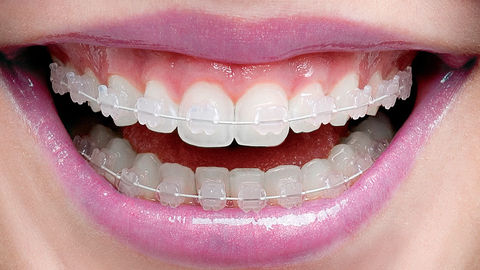
Ceramic (Porcelain) Braces: Advantages and Treatment Process
We explain how tooth-colored ceramic brackets differ from metal brackets and clear aligners, their pros and cons, and the treatment process.

What Is Root Canal Treatment? Steps and What to Keep in Mind
Root canal treatment saves a tooth by cleaning out the inflamed or infected nerve and filling the canals. We explain the symptoms, the steps and what to do afterward.

Diet Tips That Protect Children's Dental Health
Children's dental health depends not only on brushing but also on what they eat and how often they eat it. We have listed tooth-friendly foods, those to avoid and practical rules.

Removable Dentures (False Teeth): Adjustment, Care and Common Complaints
Getting used to complete and partial removable dentures can take time. We explain the types of dentures, complaints that may occur during adjustment, proper cleaning and when to replace them.

What Can You Eat After Teeth Whitening, and What Should You Watch Out For?
What you can eat and drink in the first days after teeth whitening, how to manage sensitivity and how to keep your teeth white.
What Is Invisalign? How Does It Work, and Who Is It For?
We explain in plain language how Invisalign works with SmartTrack aligners, iTero scanning and ClinCheck planning, and how it relates to the concept of clear aligners.

Clear Aligners or Braces? Which Is Right for You?
Clear aligners and braces reach the same goal by different routes. We compare the two methods in terms of appearance, comfort, treatment time and case suitability.

What Is a Periodontal Pocket? Gum Pocket Measurement and Treatment Steps
Deepening of the groove between the tooth and gum is an important sign of gum disease. We explain how periodontal pockets are measured and the steps of treatment.

Zirconia Crowns for Children: An Aesthetic Solution for Baby Teeth
Prefabricated crowns are used to protect baby teeth after extensive decay or a pulp treatment. We explain when and how zirconia crowns are placed.

Endo Bleaching: Internal Whitening for Root Canal-Treated Teeth
Lightening root canal-treated teeth that have darkened from the inside with internal bleaching: causes, treatment steps, how long it lasts, and veneer and crown alternatives.

PRP in Periodontal Treatment: Gum and Bone Healing
PRP is a product obtained from a person's own blood that is rich in growth factors supporting healing. We explain how it is used in gum and bone treatments and its limits.

Yellow Stains and Discoloration on Teeth: Causes and Solutions
We explain extrinsic and intrinsic types of yellow stains on teeth, their causes, the effect of age and genetics, and suitable solutions for each type of stain.

What to Do and What to Avoid After a Tooth Extraction
Practical rules for protecting the clot, eating, oral care and knowing when to call your dentist, from the first hours after a tooth extraction to full healing.

What Are Dental Sealants? Protecting Molars From Decay
We explain when, for whom and how dental sealants are applied to seal the deep grooves of molars and reduce the risk of tooth decay.
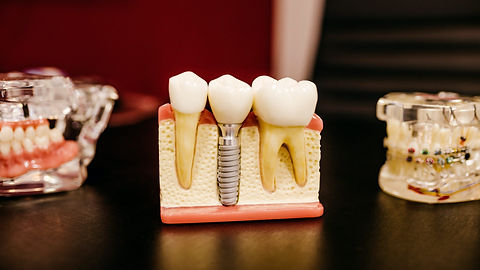
Can You Get Dental Implants If Your Jawbone Is Insufficient?
Even if your jawbone has resorbed, an implant may still be possible. We explain options such as bone grafts, sinus lifts and short, narrow or zygomatic implants.

What Is a Stitchless Implant? Who Is It For and What Are Its Limits?
Under suitable bone and gum conditions, an implant can be placed without cutting the gum. We explain the advantages of the flapless method and when it is not the preferred option.

What Causes Purple or Bruised Gums? Causes and Treatment
Possible causes of purple or bluish discoloration of the gums, such as trauma, amalgam, inflammation and infection, when it matters and the treatment approaches.
What Is Dry Socket (Alveolar Osteitis)? Treating Pain After an Extraction
Dry socket is a painful condition that develops when the blood clot in the extraction socket is lost too early. We explain the signs, the treatment the clinic provides and how to prevent it.

What Is a Cephalometric X-Ray? Why Is It Taken in Orthodontics?
We explain what a cephalometric X-ray, the side-view skull radiograph used in orthodontic planning, shows, how it is taken and how it differs from a panoramic X-ray.

What Is a Dental Bridge (Crown and Bridge Prosthesis)? How Is It Made?
A dental bridge replaces a missing tooth with a fixed prosthesis supported by the neighboring teeth. We explain how it is made, how it differs from an implant, causes of pain and how to care for it.
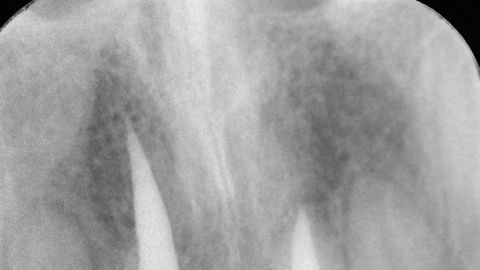
How Is a Tooth with Only the Root Left Extracted? The Procedure and Aftercare
Why root fragments left in the mouth after a fracture or decay may need to be removed, how the extraction is done and what can be done afterwards.

Antibiotic Use and Dental Health in Children: What You Need to Know
The effect of antibiotics on tooth development and staining, the cavity risk of syrups, when dental infections need antibiotics and principles of correct use.

Jaw Joint (TMJ) Disorders: Symptoms and Treatment Options
Clicking, pain or limited mouth opening can originate from the jaw joint. We explain the causes of TMJ disorders and the step-by-step treatment approach.
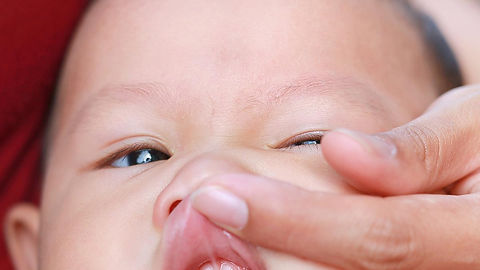
What Is the Lip Frenulum (Lip Tie)? When Is Treatment Needed?
The lip frenulum is the fold of tissue that connects the lip to the gum. We explain its link with gaps between teeth, when it should be cut and how it is planned with orthodontics.
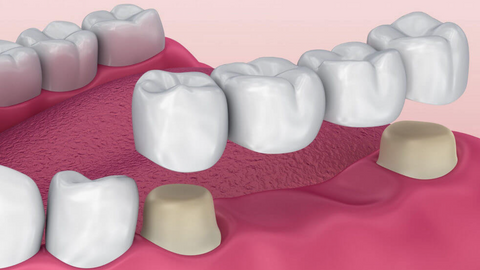
Inflammation Under a Dental Crown: Causes and Treatment Options
We explain the causes and symptoms of pain and inflammation in a crowned tooth, how the diagnosis is made and treatment options such as root canal therapy or crown replacement.

What Is an Interdental Brush? Choosing the Right Size and How to Use It
What interdental brushes do, how they differ from floss, how to choose the right size and a step-by-step guide to using them.
What Is Digital Dentistry? Scanners, 3D Printers and Digital Planning
Intraoral scanners, CAD/CAM systems and 3D printers have changed many steps in dentistry, from impressions to manufacturing. We explain how these technologies are reflected in treatment.

What Is Dental Curettage (Root Planing)? How Is It Done?
We explain when curettage, the cleaning of tartar and bacterial plaque that have built up below the gum line, is needed, how it is done and what to pay attention to afterward.

What Is a Connective Tissue Graft? How Is It Used for Gum Recession?
We explain who a connective tissue graft, which treats gum recession with tissue taken from the palate, is suitable for, along with the procedure and recovery process.

What Is a Retainer? Types and How to Use One
When orthodontic treatment ends, a retainer is used to keep the teeth in their new positions. We explain the types, how long to wear them and care rules.

Baby Tooth Extraction: When Is It Needed and How Is It Done?
We explain when baby teeth are extracted, how to prepare your child for the process, aftercare following the extraction and why a space maintainer matters.

Fluoride Gel and Fluoride Varnish Treatment: Protection Against Decay
Professional fluoride treatment strengthens tooth enamel and lowers the risk of decay. We explain the difference between gel and varnish, how often it is applied and what to watch for afterward.

What Is a Retruded Jaw? Treating Lower and Upper Jaw Retrusion
A retruded jaw means the lower or upper jaw sits back relative to the facial structure. Treatment depends on age: appliances during growth, orthodontics or surgery in adulthood.

What Is Treatment with Braces? Process, Types and Benefits
A comprehensive guide explaining how braces work, which problems they are used for, the stages of treatment and oral care while wearing braces.

What Is Masseter (Jaw) Botox? Its Effect on Teeth Clenching and the Process
Botulinum toxin injected into the jaw muscle can be a supportive option for teeth clenching and muscle-related complaints. We explain its effect, its limits and the process.

Why Is Tongue Cleaning Important? Correct Technique and Frequency
Even when the teeth are brushed, the coating that builds up on the tongue is one of the main sources of bad breath. We explain the correct tongue cleaning technique and how often to do it.

Wisdom Tooth Extraction: When Is It Needed, and How Is It Done?
Wisdom teeth don't always have to be extracted, but in some cases they can cause problems. We explain when extraction is needed, the procedure and the healing process.

What Is a Composite Filling? Advantages, Procedure and Lifespan
Also known as a white filling, the composite filling is the most commonly used type of filling today. We explain how it differs from other fillings, the steps of the procedure and the factors that affect how long it lasts.

Changing Doctors or Cities During Clear Aligner Treatment (Transfer)
If you are moving to another city or want to change doctors during treatment, we explain step by step how your clear aligner treatment is handed over to a new clinic.
